Are Korean Dermatologists Better for Sensitive Skin?
Are Korean Dermatologists Better for Sensitive Skin?
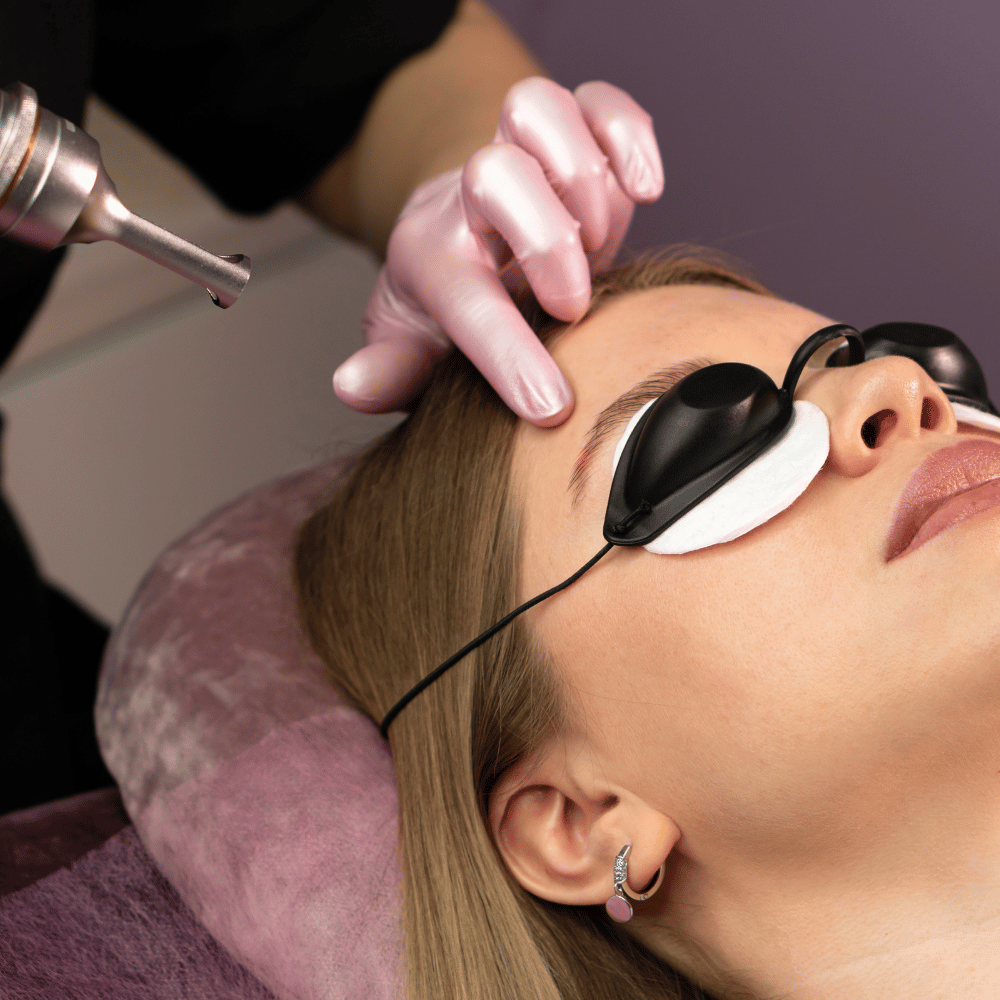
Yes—Korean dermatologists are often considered
very effective for sensitive skin, mainly due to their
gentle treatment philosophy, advanced technology, and highly customized approach.
However, results depend more on
doctor expertise and clinic type than nationality alone. Choosing a
board-certified dermatologist is the key factor.
Why Korean Dermatologists Are Strong for Sensitive Skin
1. High Focus on Skin Barrier & “Gentle First” Approach
Korean dermatology is built around:
- Skin barrier repair
- Hydration and inflammation control
- Low-irritation treatment protocols
This aligns perfectly with what sensitive skin needs.
👉 Many Korean treatments are designed to heal and calm the skin—not overstimulate it
2. Advanced Technology with Adjustable Precision
Korea is known for:
- Pico lasers
- RF microneedling
- Skin boosters like Rejuran
But the key advantage is how they are used:
- Lower, controlled energy settings
- Gradual treatment plans
- Combination therapies tailored to sensitivity
👉 Korean dermatologists emphasize precision over aggressive treatment.
3. Highly Customized Treatment Plans
Research shows Korean dermatologists:
- Tailor treatments based on individual skin condition
- Combine multiple modalities (laser + injectables + skincare)
- Adjust plans continuously based on response
👉 This is critical for sensitive skin, which cannot tolerate one-size-fits-all treatments.
4. Extensive Experience with Sensitive Skin
Interestingly, sensitive skin is very common in Korea.
- Around 56.8% of Koreans report sensitive skin
👉 This means dermatologists in Korea have:
- High exposure to reactive skin types
- More clinical experience managing irritation, redness, and barrier damage
5. Strong Integration with Dermatology-Based Skincare
Korean dermatology works closely with derma-cosmetics:
- Barrier creams
- Anti-inflammatory ingredients (cica, PDRN, peptides)
- Post-procedure recovery products
👉 Many of these are specifically designed for:
- Sensitive skin
- Post-laser healing
- Redness reduction
6. Better Approach for Post-Treatment Sensitivity
Korean clinics are known for:
- Cooling and calming protocols after procedures
- Hydration-focused recovery
- Minimizing downtime
👉 This is especially important if your skin:
- Flushes easily
- Reacts to lasers or injections
- Has history of irritation
But Are They Always Better? (Important Reality Check)
Not automatically.
It depends on:
- Whether the doctor is board-certified dermatologist (피부과 전문의)
- Clinic philosophy (medical vs high-volume aesthetic)
- Experience with international skin types
👉 A factory-style aesthetic clinic in Gangnam may actually be worse for sensitive skin than a specialist clinic elsewhere.
Korean vs Other Countries: What’s Different?
Korea
- Gentle, layered treatments
- Prevention-focused
- Frequent low-intensity sessions
US / Europe (general trend)
- Stronger, more aggressive treatments
- Fewer sessions
- Faster but sometimes harsher results
👉 Sensitive skin usually responds better to the Korean gradual approach.
Who Benefits Most from Korean Dermatology?
Korean dermatologists are especially good if you have:
- Rosacea or redness
- Easily irritated skin
- Thin or damaged skin barrier
- Post-acne sensitivity
- History of laser complications
When to Be Careful
Even in Korea, avoid:
- Cheap package clinics
- Aggressive multi-laser sessions in one day
- Clinics that skip proper consultation
👉 Sensitive skin needs precision—not volume treatment.
Final Verdict
Yes—Korean dermatologists are generally very good for sensitive skin.
But the real advantage comes from:
- Personalized treatment
- Gentle, barrier-focused approach
- Advanced yet controlled technology
👉 The most important factor is not “Korea vs other countries”—it’s choosing a board-certified, doctor-led clinic.