Dermatologist-Prescribed Skincare in Korea
Dermatologist-Prescribed Skincare in Korea
Dermatologist-prescribed skincare in Korea focuses on customized, medical-grade routines tailored to your exact skin condition.
Unlike over-the-counter products, these treatments use clinically proven ingredients and prescription-strength formulas.
Korean dermatology clinics combine diagnosis, procedures, and skincare into one personalized system for long-term skin health.
What Is Dermatologist-Prescribed Skincare in Korea?
In Korea, skincare isn’t just about buying products—it often starts with a dermatologist consultation.
After analyzing your skin, dermatologists create a custom routine that may include:
- Prescription topical creams (stronger than OTC products)
- Oral medications (if needed)
- Medical-grade skincare products
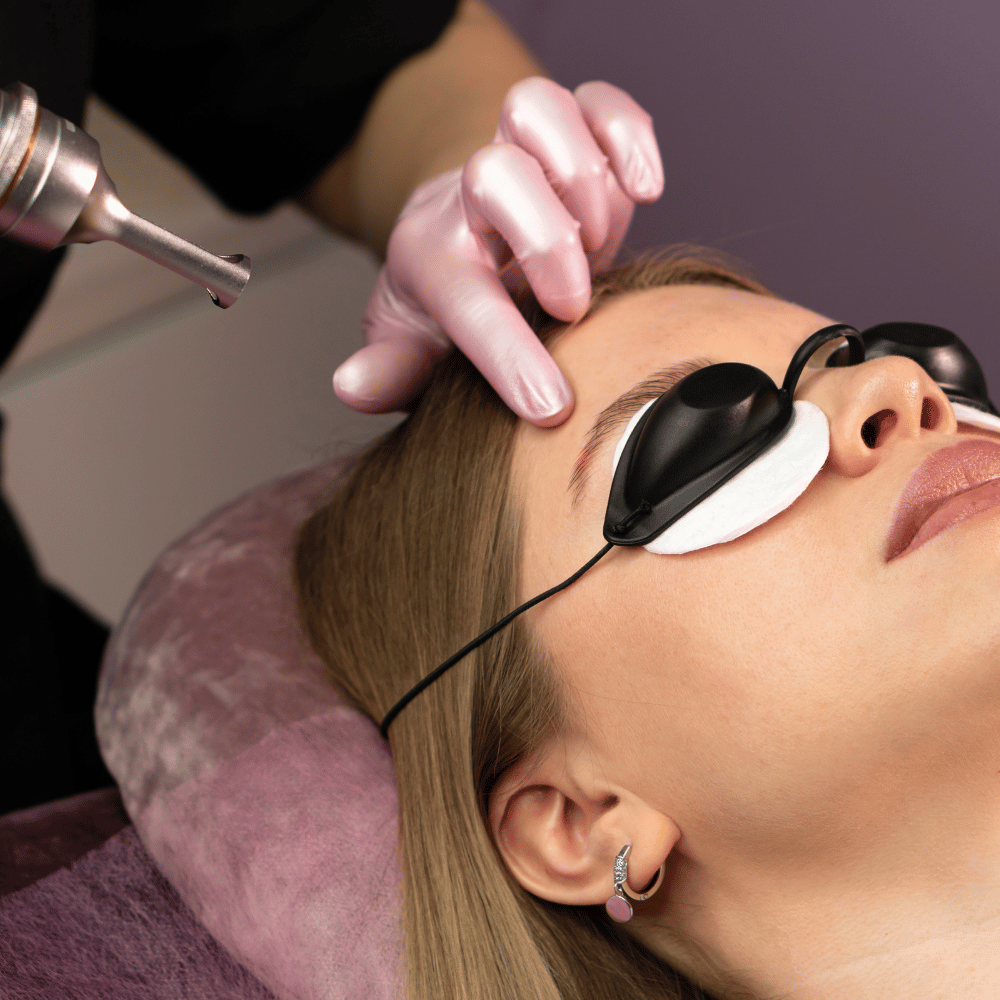
- In-clinic treatments (laser, peels, skin boosters)
This approach is often called “medical skincare” or “derma skincare.”
Unlike regular K-beauty, these products are:
- Higher in active ingredient concentration
- Designed to treat specific conditions (not just hydrate)
- Clinically tested for effectiveness
How Korean Dermatologists Customize Your Routine
1. Skin Analysis & Diagnosis
Korean dermatology clinics use advanced imaging and consultation to assess:
- Acne severity
- Pigmentation depth
- Skin barrier condition
- Sensitivity levels
This ensures your routine is based on medical diagnosis—not guesswork.
2. Prescription-Based Treatment Plan
Depending on your skin concerns, your dermatologist may prescribe:
Acne & Breakouts
- Topical retinoids or antibiotics
- Oral medication like isotretinoin for severe cases
- Oil-control and anti-inflammatory skincare
(Accutane, for example, is strictly prescribed and monitored in Korea)
Pigmentation & Melasma
- Hydroquinone or brightening agents
- Tranexamic acid-based treatments
- Laser + topical combination therapy
Anti-Aging & Skin Texture
- Prescription retinoids
- Growth factors / PDRN / peptides
- Collagen-stimulating skincare
Sensitive Skin / Barrier Repair
- Low-irritation, medical-grade moisturizers
- Barrier-repair creams with ceramides
- Anti-inflammatory ingredients like centella
3. Medical-Grade Skincare Products
Korean dermatologists often recommend or dispense:
- Clinic-exclusive skincare lines
- Pharmacy-grade creams
- Dermatologist-developed brands
These products focus on:
- Skin barrier repair
- Deep hydration
- Controlled exfoliation
- Long-term skin regeneration
They are typically stronger and more targeted than retail skincare, making them more effective for real skin conditions
4. Combination with In-Clinic Treatments
One major difference in Korea is that skincare is rarely standalone.
Your routine is often paired with:
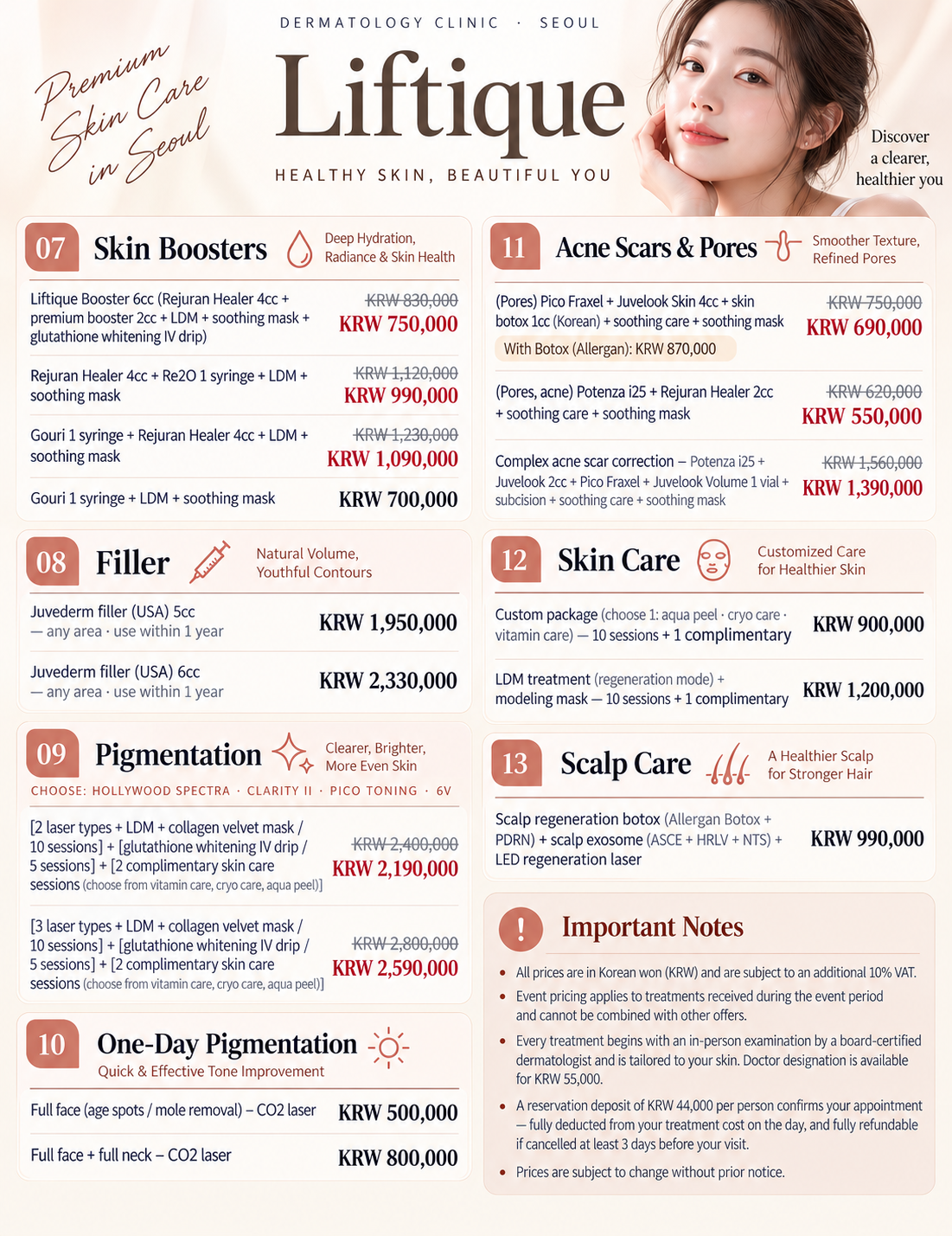
- Laser treatments (Pico, CO2, Fraxel)
- Skin boosters (Rejuran, Juvelook)
- Chemical peels
- RF microneedling
This combination approach improves results significantly and is very common in Korean clinics
Why Dermatologist-Prescribed Skincare Is Popular in Korea
Personalized & Results-Driven
Every routine is tailored to your skin type, condition, and goals.
Stronger, Medical-Grade Formulations
Prescription skincare contains higher concentrations of active ingredients than typical beauty products.
Affordable Access to Dermatologists
In Korea, visiting a dermatologist is relatively easy and affordable, making professional skincare widely accessible
Integrated Approach
Skincare + treatments + medication are combined into one system for faster and longer-lasting results.
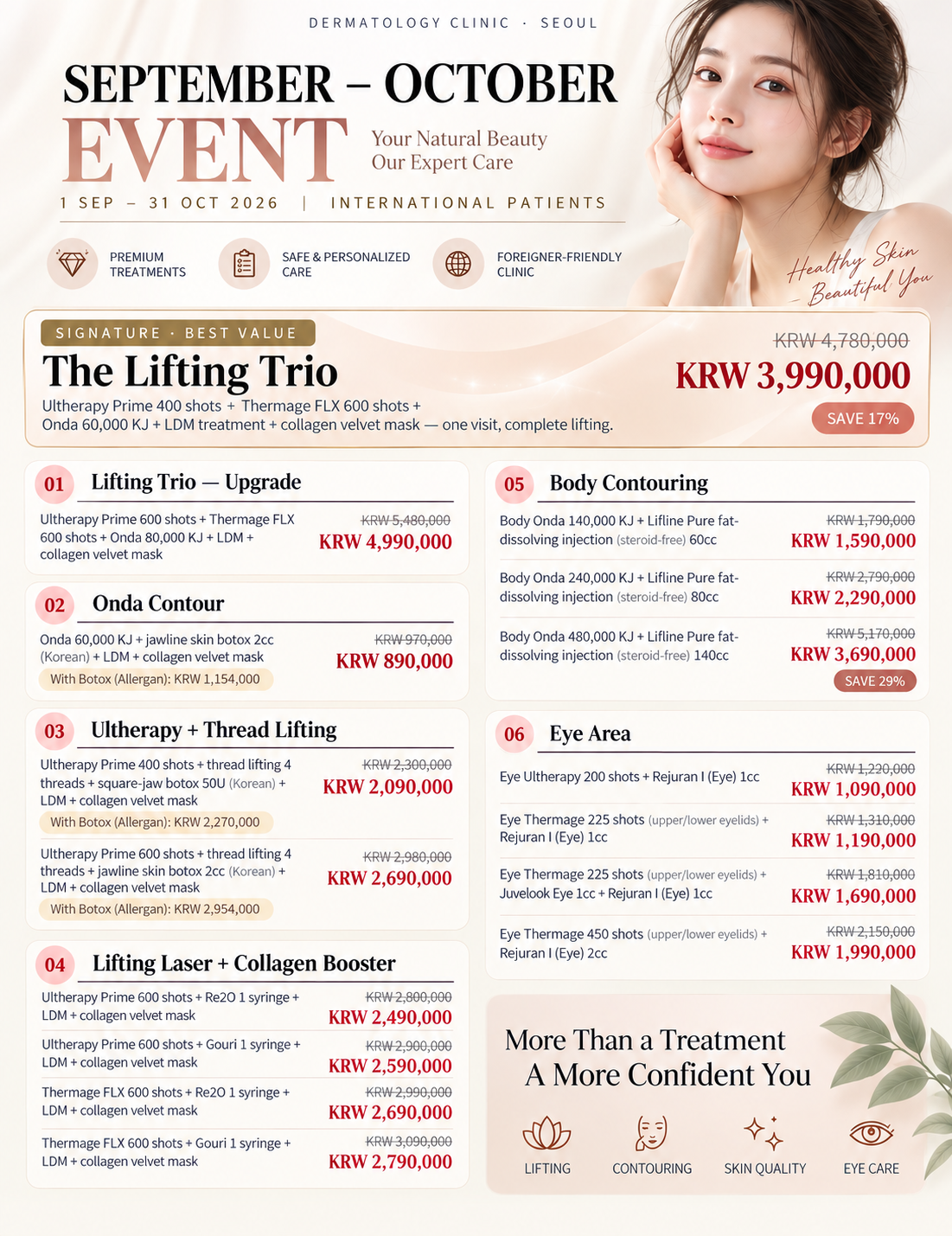
Cost of Dermatologist Skincare in Korea
Typical pricing in Seoul:
- Consultation: 20,000 – 60,000 KRW
- Prescription creams: 30,000 – 100,000 KRW
- Full customized skincare program: 100,000 – 300,000 KRW+
- With treatments (laser, boosters): varies
Compared to Western countries, this is significantly more cost-effective.
Who Should Consider It?
Dermatologist-prescribed skincare is ideal if you:
- Struggle with persistent acne or breakouts
- Have melasma or stubborn pigmentation
- Experience sensitive or damaged skin barrier
- Want medical-grade anti-aging results
- Tried many products but saw limited improvement
Final Thoughts
Dermatologist-prescribed skincare in Korea goes beyond trends—it’s a clinical, personalized system designed for real results.
Instead of guessing which products to use, you receive:
- A medically guided routine
- Stronger, proven ingredients
- Ongoing adjustments based on your skin
This is why many international patients choose Korean dermatology clinics—not just for treatments, but for long-term skin management and transformation.