How Korean Dermatologists Achieve Glass Skin
How Korean Dermatologists Achieve Glass Skin
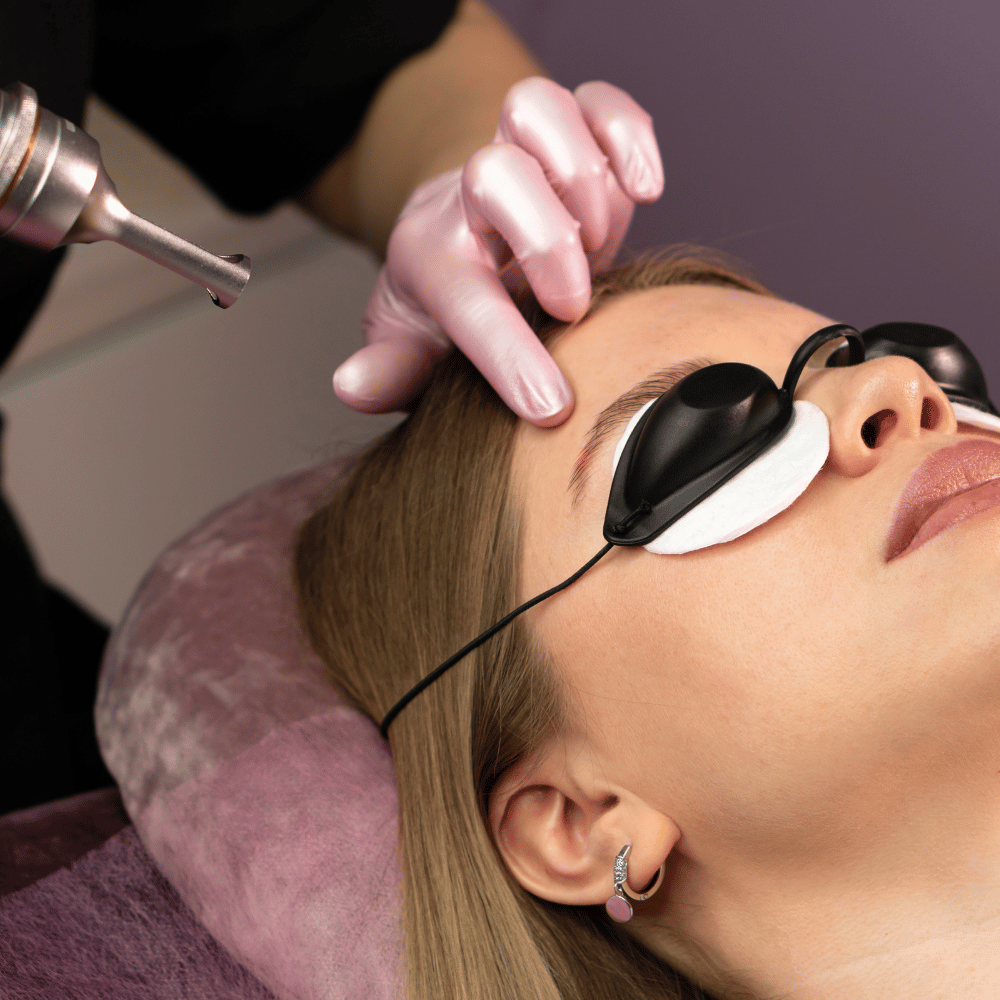
“Glass skin” is not just about skincare—it’s the result of
medical treatments that improve hydration, texture, pores, and skin clarity at multiple levels.
Korean dermatologists achieve this through a
combination of lasers, skin boosters, and injectables, focusing on
smooth, poreless, hydrated, and radiant skin.
What Is “Glass Skin”?
Glass skin refers to skin that is:
- Smooth and poreless-looking
- Even-toned and bright
- Deeply hydrated
- Naturally radiant
👉 It’s not about heavy makeup—it’s about high skin quality and light reflection.
The Core Strategy: Multi-Layer Skin Treatment
Korean dermatology does not rely on one treatment.
👉 Instead, it targets:
- Surface (texture, pores)
- Middle layer (hydration, collagen)
- Deep layer (structure and elasticity)
👉 This layered approach creates the signature translucent, glowing finish.
Step 1: Perfecting Skin Tone (Pigmentation Control)
Common Treatments
- Laser toning
- Pico laser
Goal
- Remove dullness
- Reduce pigmentation
- Brighten overall skin tone
👉 Even skin tone is the foundation of glass skin.
Step 2: Refining Texture and Pores
Common Treatments
- Pico fractional
- Fraxel laser
- RF microneedling
Goal
- Smooth skin surface
- Minimize pores
- Improve acne scars
👉 Smooth texture allows light to reflect evenly.
Step 3: Deep Hydration (Most Important Step)
Common Treatments
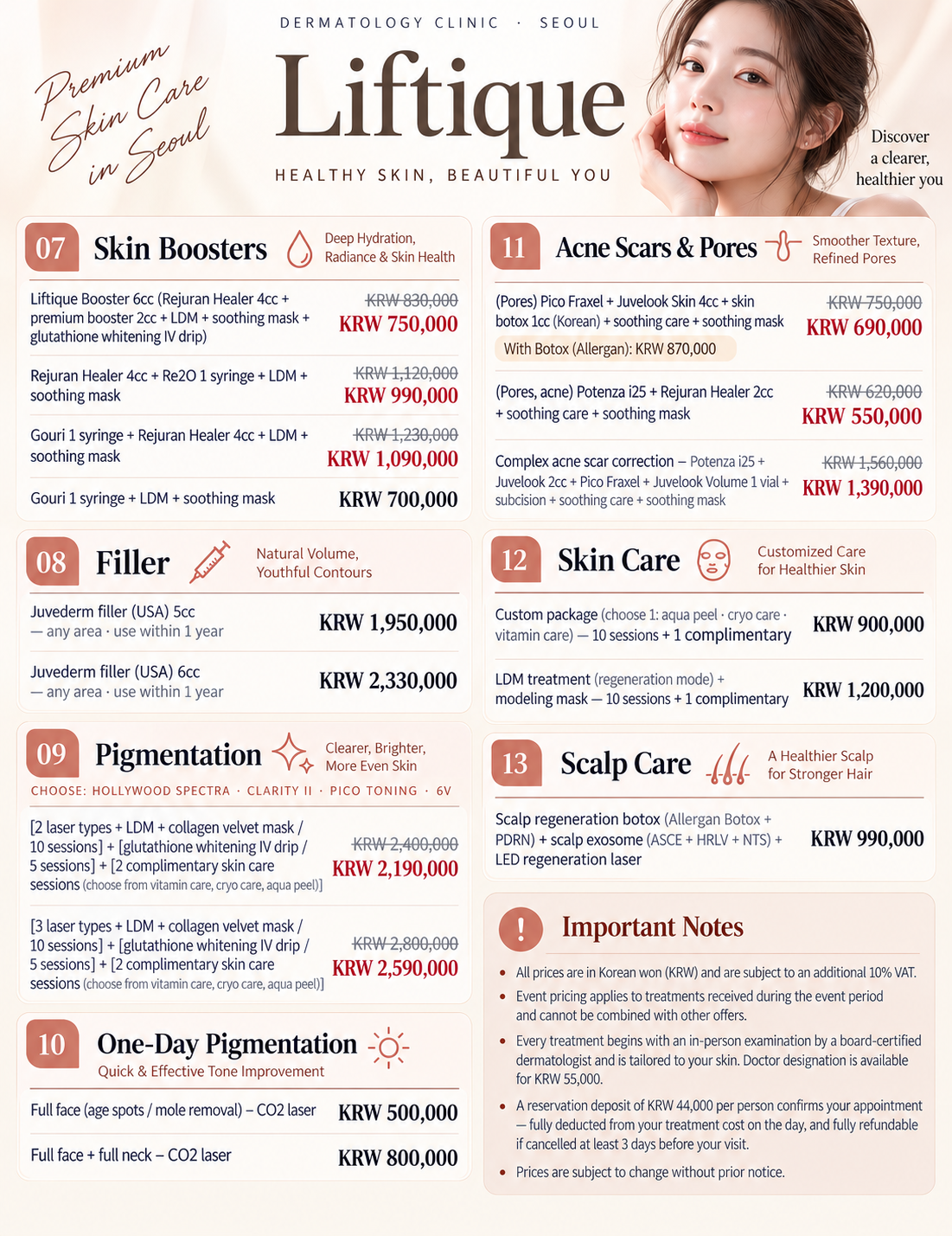
- Hyaluronic acid skin boosters
- Skin Botox (Dermotoxin)
Goal
- Hydrate skin from within
- Improve elasticity
- Create plump, glowing skin
👉 Hydration is what gives the “glass-like shine”.
Step 4: Skin Repair and Regeneration
Common Treatments
- Rejuran Healer (PN injections)
- PDRN-based treatments
Goal
- Repair damaged skin
- Strengthen skin barrier
- Improve long-term skin health
👉 This step ensures results last longer.
Step 5: Oil Control and Fine Detail Refinement
Common Treatments
- Skin Botox
- Laser Genesis
Goal
- Reduce pore size
- Control sebum
- Smooth fine lines
👉 This creates the final refined, polished look.
Step 6: Lifting and Skin Tightening (Optional)
Common Treatments
- HIFU (Ultherapy, Shurink)
- RF treatments (Thermage, Oligio)
Goal
- Improve skin elasticity
- Prevent sagging
👉 Not always necessary, but enhances overall skin quality.
Why Korean Results Look Different
Korean dermatologists focus on:
- Natural results over dramatic changes
- Multiple low-intensity treatments
- Consistency over time
👉 This avoids:
- Over-treatment
- Skin damage
- Artificial appearance
Typical “Glass Skin” Treatment Plan
- Week 1: Consultation + skin analysis
- Weeks 2–6: Laser toning + skin booster sessions
- Month 2+: Add Rejuran or advanced treatments
- Ongoing: Maintenance every 1–2 months
👉 Results build gradually over time.
Key Insight
👉 Glass skin is not one treatment—it’s a system:
- Tone
- Texture
- Hydration
- Repair
All must be optimized together.
Common Mistakes to Avoid
- Relying only on skincare products
- Expecting instant results
- Skipping maintenance treatments
- Choosing aggressive treatments too early
👉 Glass skin is achieved through layered, consistent care.
Final Thoughts
Korean dermatologists achieve glass skin by combining:
- Laser treatments → tone and clarity
- Skin boosters → hydration and glow
- Regenerative injectables → long-term skin health
👉 The result is:
Smooth, luminous, poreless-looking skin that reflects light naturally—not artificially