Laser Treatments for Redness and Rosacea in Korea
Laser Treatments for Redness and Rosacea in Korea
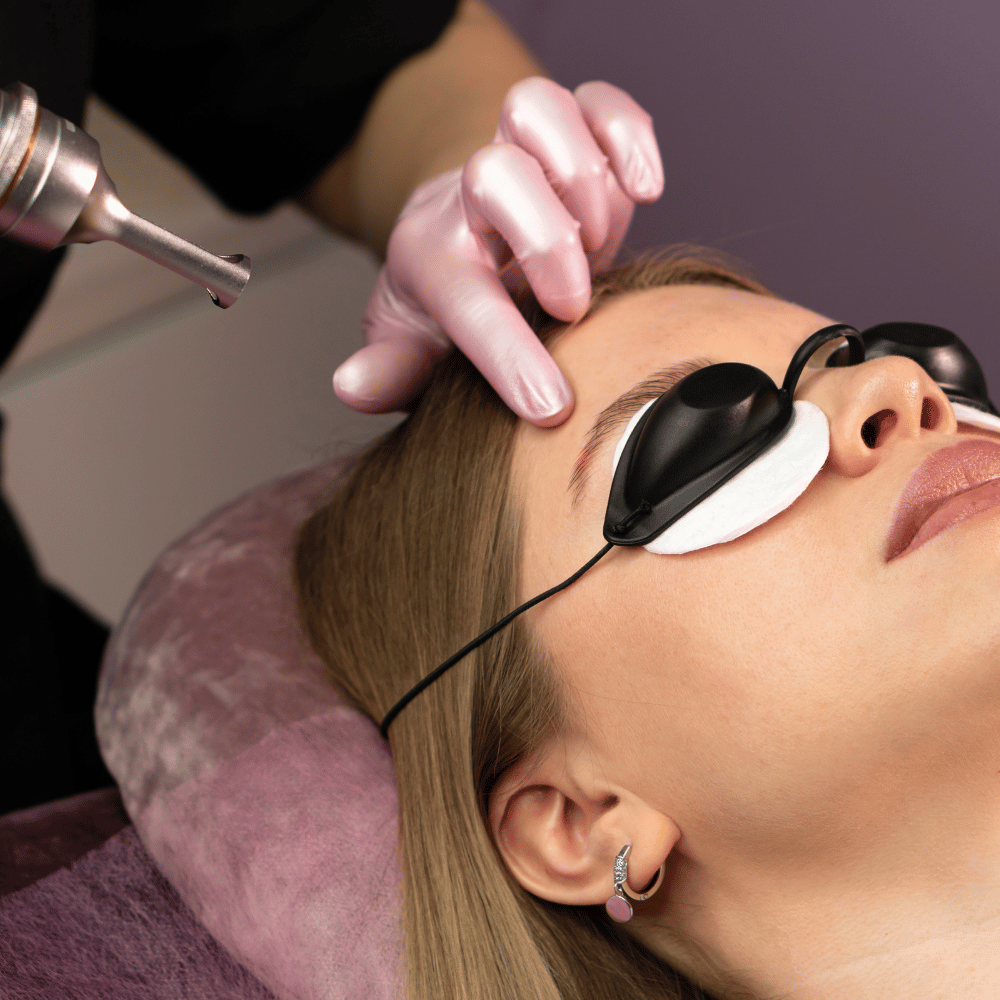
In Korea, redness and rosacea are treated primarily with
vascular-targeting lasers and gentle light therapies.
The most effective options include
Pulsed Dye Laser (Vbeam), IPL, Nd:YAG laser, and low-energy maintenance lasers, often combined for
long-term control and reduced flare-ups.
How Korean Dermatologists Treat Redness & Rosacea
Rosacea is a vascular + inflammatory condition, so treatment focuses on:
- Reducing visible blood vessels
- Calming inflammation
- Strengthening the skin barrier
👉 This is why vascular lasers are the core treatment, not regular pigment lasers.
1. Pulsed Dye Laser (PDL / Vbeam) – Gold Standard for Redness
Best for:
- Persistent facial redness
- Visible capillaries (telangiectasia)
- Rosacea flushing
How It Works
- Targets blood vessels under the skin
- Shrinks and removes visible vessels
Effectiveness
- Studies show it is safe and highly effective for rosacea redness and vessels
- Many patients see 50–75% reduction in visible vessels after a few sessions
👉 This is considered the most effective laser for vascular rosacea.
2. IPL (Intense Pulsed Light) – Most Popular Overall
Best for:
- Diffuse redness
- Flushing
- Mild to moderate rosacea
How It Works
- Uses broad-spectrum light
- Targets both pigment and blood vessels
Why It’s Popular
- Improves overall skin tone
- Treats redness + pigmentation together
- Minimal downtime
👉 Research shows IPL is
effective for reducing erythema and telangiectasia
👉 Some studies suggest IPL may even achieve
higher clearance rates in certain cases
3. Nd:YAG Laser (Long-Pulsed) – Deeper Vessel Treatment
Best for:
- Deeper or thicker blood vessels
- Resistant rosacea cases
How It Works
- Penetrates deeper into the skin
- Targets larger or deeper vessels
Effectiveness
- Proven to be safe and effective for vascular and inflammatory rosacea lesions
👉 Often used when PDL/IPL alone is not enough.
4. Laser Genesis (Gentle Maintenance Laser)
Best for:
- Mild redness
- Sensitive skin
- Maintenance between stronger treatments
How It Works
- Gently heats the dermis
- Reduces inflammation and redness
👉 Commonly used in Korea as a low-risk, no-downtime maintenance option.
5. Combination Therapy (Korean Gold Standard)
Korean dermatologists rarely rely on one treatment.
Typical Combination
- PDL or IPL → reduce redness and vessels
- Nd:YAG → target deeper vessels
- Laser Genesis → maintain results
👉 Combination therapy provides:
- Better overall results
- Reduced recurrence
- More stable long-term control
Laser and light therapies are often combined with medical treatment for comprehensive rosacea management
Which Laser Is Best for Rosacea?
For Persistent Redness & Visible Veins
👉 Pulsed Dye Laser (PDL)
For General Redness & Skin Tone
👉 IPL
For Deeper or Resistant Cases
👉 Nd:YAG laser
For Sensitive Skin / Maintenance
👉 Laser Genesis
Typical Treatment Plan in Korea
- Week 1: Diagnosis + medical stabilization
- Weeks 2–6: IPL or PDL sessions
- Month 2+: Additional laser or maintenance
- Ongoing: Skincare + trigger control
👉 Most patients need 3–5 sessions for noticeable improvement.
How Effective Are Laser Treatments for Rosacea?
- Visible blood vessels can be reduced by 50–75% after a few treatments
- Many patients see clearer, calmer skin within a few sessions
- Results can last years, but maintenance is needed
Key Insight
👉 Rosacea cannot be cured—but it can be very effectively controlled.
- Lasers treat visible symptoms (redness, vessels)
- Skincare and medication prevent recurrence
Common Mistakes to Avoid
- Using pigment lasers instead of vascular lasers
- Skipping medical treatment for inflammation
- Over-treating sensitive skin
- Choosing non-specialist clinics
👉 Rosacea requires medical + laser combination care.
Final Thoughts
The best laser treatments for redness and rosacea in Korea focus on:
- PDL → strongest redness reduction
- IPL → overall tone improvement
- Nd:YAG → deeper vessel treatment
👉 When combined properly, this results in:
Calmer skin, reduced redness, and long-term control of rosacea symptoms