Medical vs Cosmetic Dermatology in Korea Explained
Medical vs Cosmetic Dermatology in Korea Explained
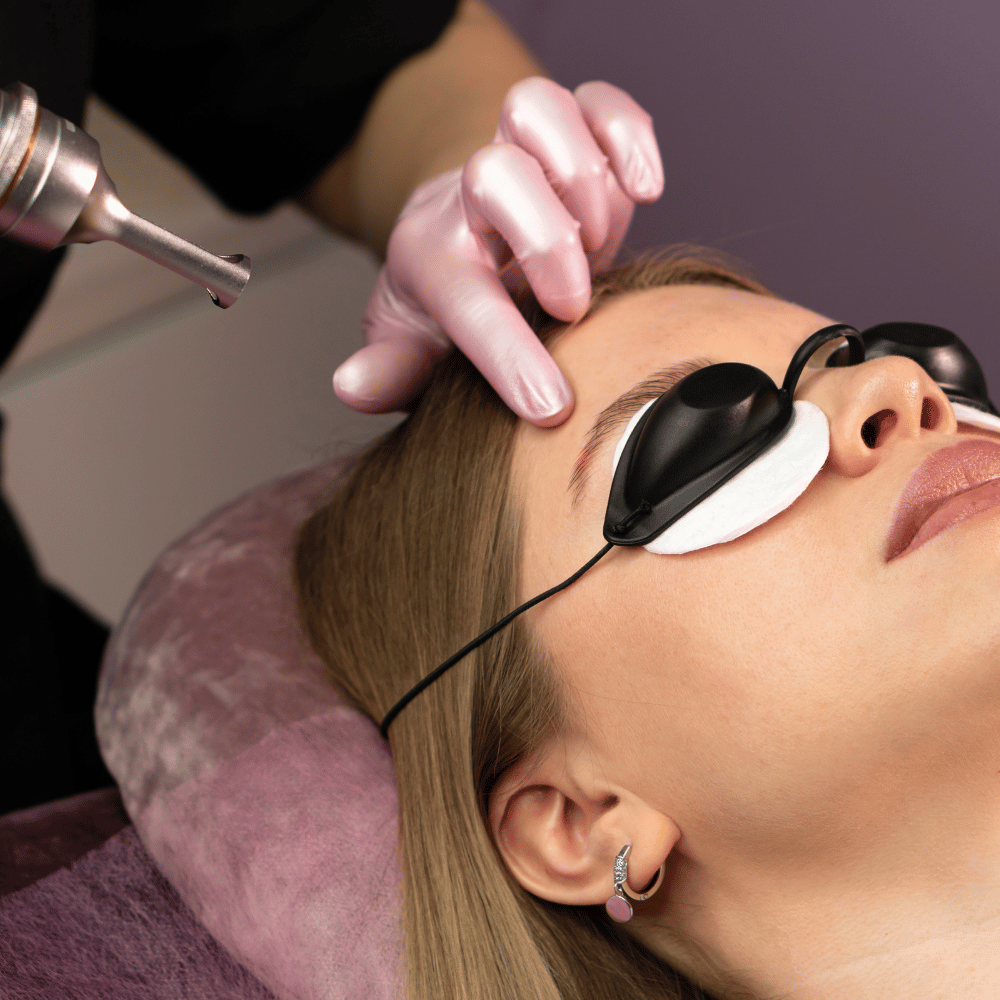
In Korea, dermatology is divided into
medical dermatology (treating skin diseases) and
cosmetic dermatology (improving appearance).
Medical dermatology focuses on
diagnosis, treatment, and long-term skin health, while cosmetic dermatology focuses on
aesthetic enhancement like lasers, Botox, and skin boosters.
The best clinics in Korea combine both—but knowing the difference helps you choose the
right treatment and doctor.
What Is Medical Dermatology in Korea?
Medical dermatology deals with skin health and diseases, handled by board-certified dermatologists (피부과 전문의) certified by the Korean Dermatological Association.
Focus Areas
- Acne & acne scars
- Rosacea & sensitive skin
- Pigmentation (melasma, PIH)
- Eczema & dermatitis
- Hair loss (alopecia)
Key Characteristics
- Diagnosis-based treatment
- Evidence-based medical approach
- Long-term skin management
- Prescription medications when needed
👉 The goal is to treat the root cause, not just symptoms.
What Is Cosmetic Dermatology in Korea?
Cosmetic dermatology focuses on improving appearance and skin quality.
Popular Treatments in Korea
- Laser toning / Pico laser
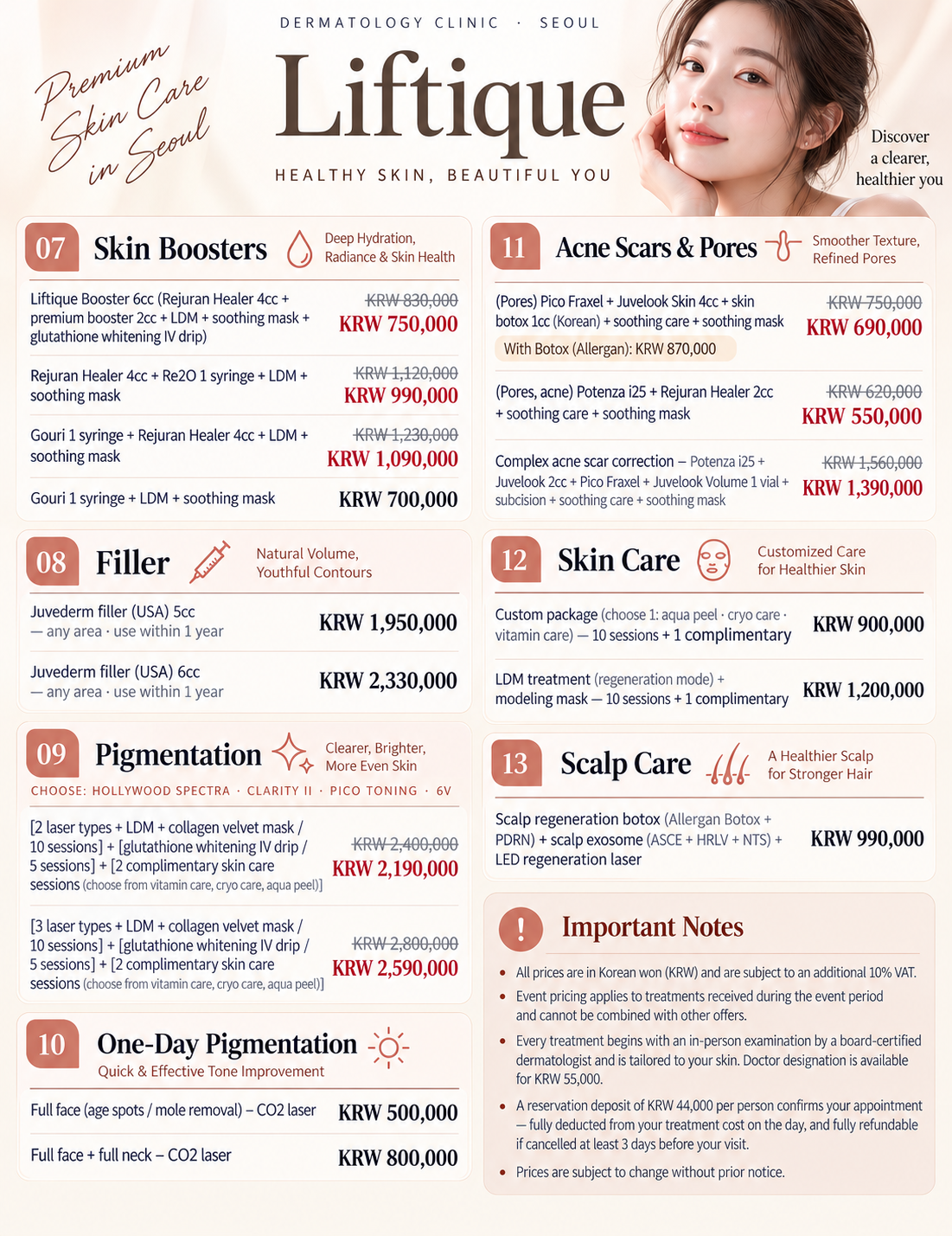
- Rejuran, Juvelook (skin boosters)
- Botox & fillers
- Ultherapy / Thermage lifting
- RF microneedling
Key Characteristics
- Aesthetic-focused
- Non-surgical procedures
- Faster, visible results
- Often package-based
👉 The goal is to enhance how your skin looks.
Medical vs Cosmetic Dermatology: Key Differences
1. Purpose
Medical Dermatology
- Treat skin conditions
- Improve skin health
Cosmetic Dermatology
- Enhance appearance
- Improve skin texture, tone, and elasticity
2. Treatment Approach
Medical Dermatology
- Diagnosis → treatment plan → follow-up
- May include medication + procedures
Cosmetic Dermatology
- Procedure-focused
- Often immediate treatment after consultation
3. Type of Clinics
Medical Dermatology
- Board-certified dermatology clinics
- Hospitals or specialist clinics
Cosmetic Dermatology
- Aesthetic clinics
- High-volume skin clinics
4. Results Timeline
Medical Dermatology
- Gradual improvement
- Long-term results
Cosmetic Dermatology
- Faster visible results
- May require repeated sessions
5. Safety Level
Medical Dermatology
- Higher safety standards
- Better complication management
Cosmetic Dermatology
- Depends on practitioner experience
- Higher risk if not properly managed
Why Korea Is Known for Both
Korea is globally recognized for:
- Advanced dermatology technology
- High concentration of clinics (especially in Gangnam)
- Competitive pricing and innovation
👉 Many top clinics in Korea combine medical expertise + cosmetic treatments for optimal results.
Which One Do You Need?
Choose Medical Dermatology If You Have:
- Acne, acne scars
- Pigmentation (melasma, dark spots)
- Rosacea or redness
- Sensitive or damaged skin
- Chronic skin conditions
Choose Cosmetic Dermatology If You Want:
- Brighter, glowing skin
- Anti-aging treatments
- Skin tightening or lifting
- Preventative skin care
Best Approach: Combination of Both
The most effective Korean skin treatments combine:
- Medical diagnosis (why the problem exists)
- Cosmetic procedures (how to improve appearance)
👉 This is why doctor-led clinics in Korea deliver the best outcomes.
Why This Matters for Foreign Patients
If you’re traveling to Korea:
- You may have limited time
- You need accurate treatment from the start
- Follow-up visits may be difficult
👉 Choosing the right type of dermatology ensures:
- Better results
- Less risk
- More efficient treatment plan
Common Mistake: Choosing Based on Price Only
Many patients choose clinics based on cost—but:
- Cheaper cosmetic treatments may not address the root cause
- You may need multiple sessions later
- Risk of side effects increases
💡 Investing in proper diagnosis first often saves money long-term.
Final Thoughts
Medical and cosmetic dermatology serve different purposes—but both are important.
- Medical dermatology = skin health and diagnosis
- Cosmetic dermatology = appearance and enhancement
👉 The best results come from combining both under a qualified dermatologist.