
Skin Cancer Screening Korea | Dermatology Clinics Seoul
Skin Cancer Screening in Korea Dermatology Clinics
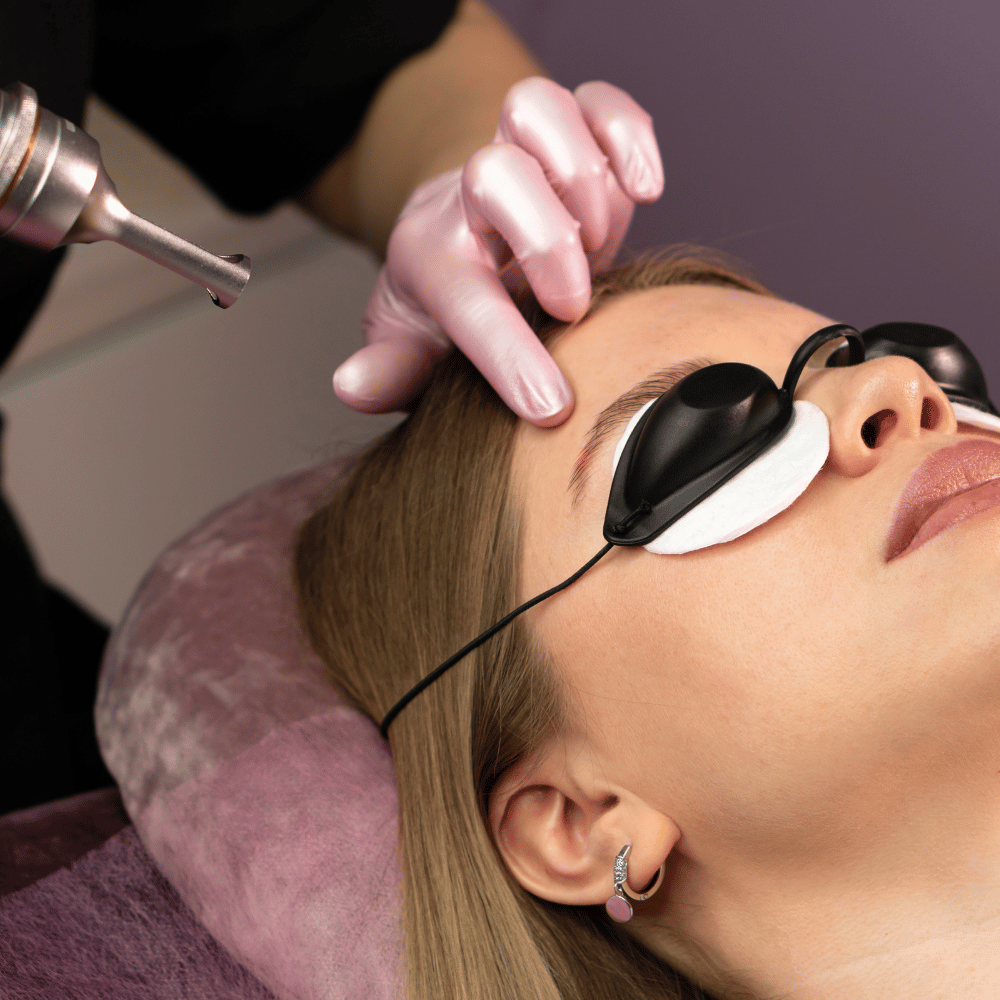
Skin cancer screening in Korea is fast, accurate, and widely available at dermatology clinics in Seoul.
Advanced imaging tools and experienced dermatologists help detect early-stage skin cancers with high precision.
Many clinics are foreigner-friendly, offering English support and same-day consultations.
Why Skin Cancer Screening Matters
Skin cancer is one of the most treatable cancers when detected early. However, many people overlook subtle changes in their skin, assuming they are harmless pigmentation or moles.
Regular screening helps identify:
- Suspicious moles or lesions
- Early-stage melanoma and non-melanoma skin cancers
- Precancerous conditions like actinic keratosis
In Korea, dermatology clinics are highly proactive in preventive screening, making it easy to check even minor concerns.
What Happens During a Skin Cancer Screening in Korea?
Skin cancer screening in Korean dermatology clinics is typically quick and non-invasive. Most appointments take 20–40 minutes.
1. Visual Skin Examination
A dermatologist carefully examines your skin from head to toe, checking for unusual moles, asymmetry, color changes, or irregular borders.
2. Dermoscopy (Skin Imaging)
Clinics use advanced dermatoscopes to magnify and analyze skin lesions in detail. This allows early detection of abnormalities that are not visible to the naked eye.
3. Digital Skin Mapping (Optional)
Some clinics offer full-body mole mapping, which records and tracks changes in your skin over time—especially useful for patients with many moles.
4. Biopsy (If Needed)
If a suspicious lesion is found, a small sample may be taken for further testing. This is usually done under local anesthesia and completed quickly.
Types of Skin Cancer Detected
Korean dermatology clinics are equipped to diagnose all major types of skin cancer:
- Melanoma – the most serious type, requiring early detection
- Basal Cell Carcinoma (BCC) – the most common, slow-growing
- Squamous Cell Carcinoma (SCC) – can spread if untreated
Early diagnosis significantly improves treatment outcomes.
Why Choose Korea for Skin Cancer Screening?
Advanced Technology
Korean clinics use high-resolution imaging and dermoscopy devices for precise diagnosis.
Experienced Dermatologists
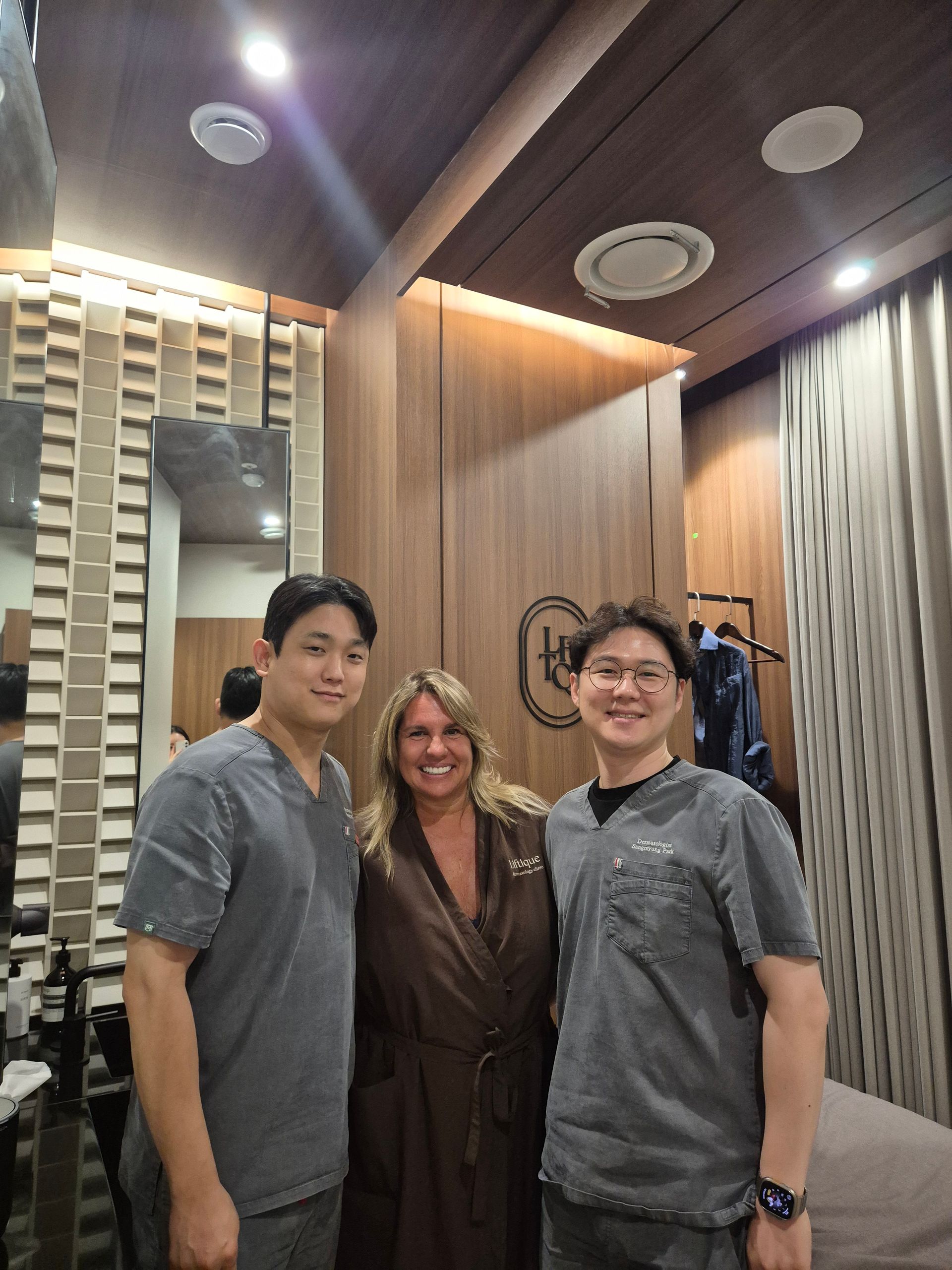
Board-certified dermatologists in Korea are highly trained in both medical and cosmetic dermatology.
Fast and Efficient System
Same-day consultations and minimal waiting times make screening convenient—even for short-term visitors.
Foreigner-Friendly Services
Many clinics in Seoul offer:
- English-speaking staff
- Medical translation services
- Easy appointment booking for international patients
Who Should Get Screened?
You should consider a skin cancer screening if you:
- Have many moles or changing skin lesions
- Experience frequent sun exposure
- Have a family history of skin cancer
- Notice itching, bleeding, or growing spots
- Are visiting Korea and want a preventive check
Even without symptoms, annual screening is recommended for early detection.
Cost of Skin Cancer Screening in Korea
The cost varies depending on the clinic and level of examination:
- Basic screening: 100,000 – 300,000 KRW
- With dermoscopy or imaging: 200,000 – 500,000 KRW
- Biopsy (if required): additional cost
Compared to the US or Europe, Korea offers high-quality screening at a more affordable price point.
How to Book a Screening in Seoul
Booking a skin cancer screening in Korea is simple:
- Online reservation through clinic websites
- Assistance from medical coordinators
- Same-day or next-day appointments often available
Clinics in areas like Gangnam, Myeongdong, and Hongdae are especially popular among international patients.
Final Thoughts
Skin cancer screening in Korea is a smart and accessible way to protect your health. With advanced diagnostic tools, experienced dermatologists, and foreigner-friendly services, Seoul has become a trusted destination for preventive dermatology care.
If you notice any unusual changes in your skin—or simply want peace of mind—getting screened while in Korea is a safe and worthwhile decision.