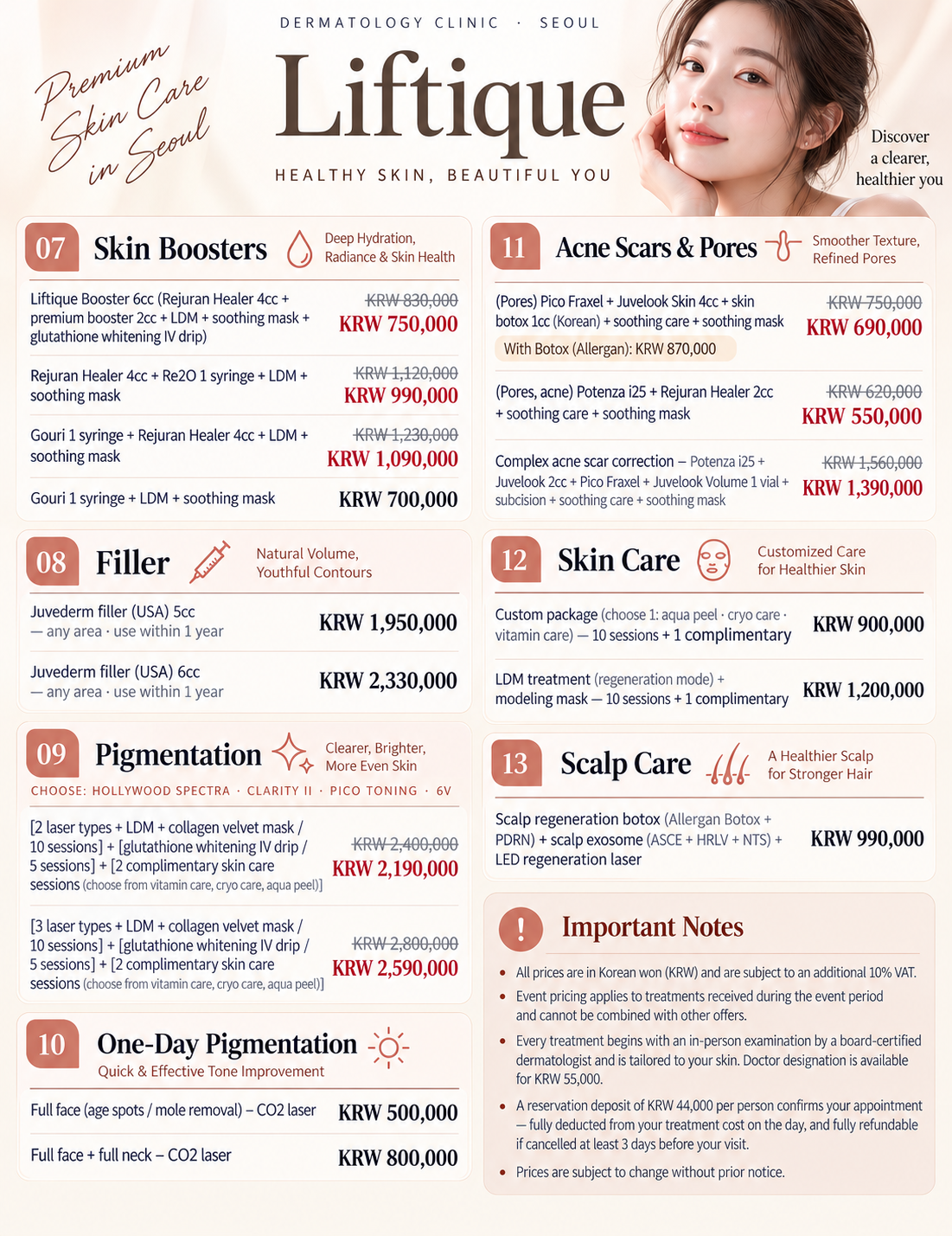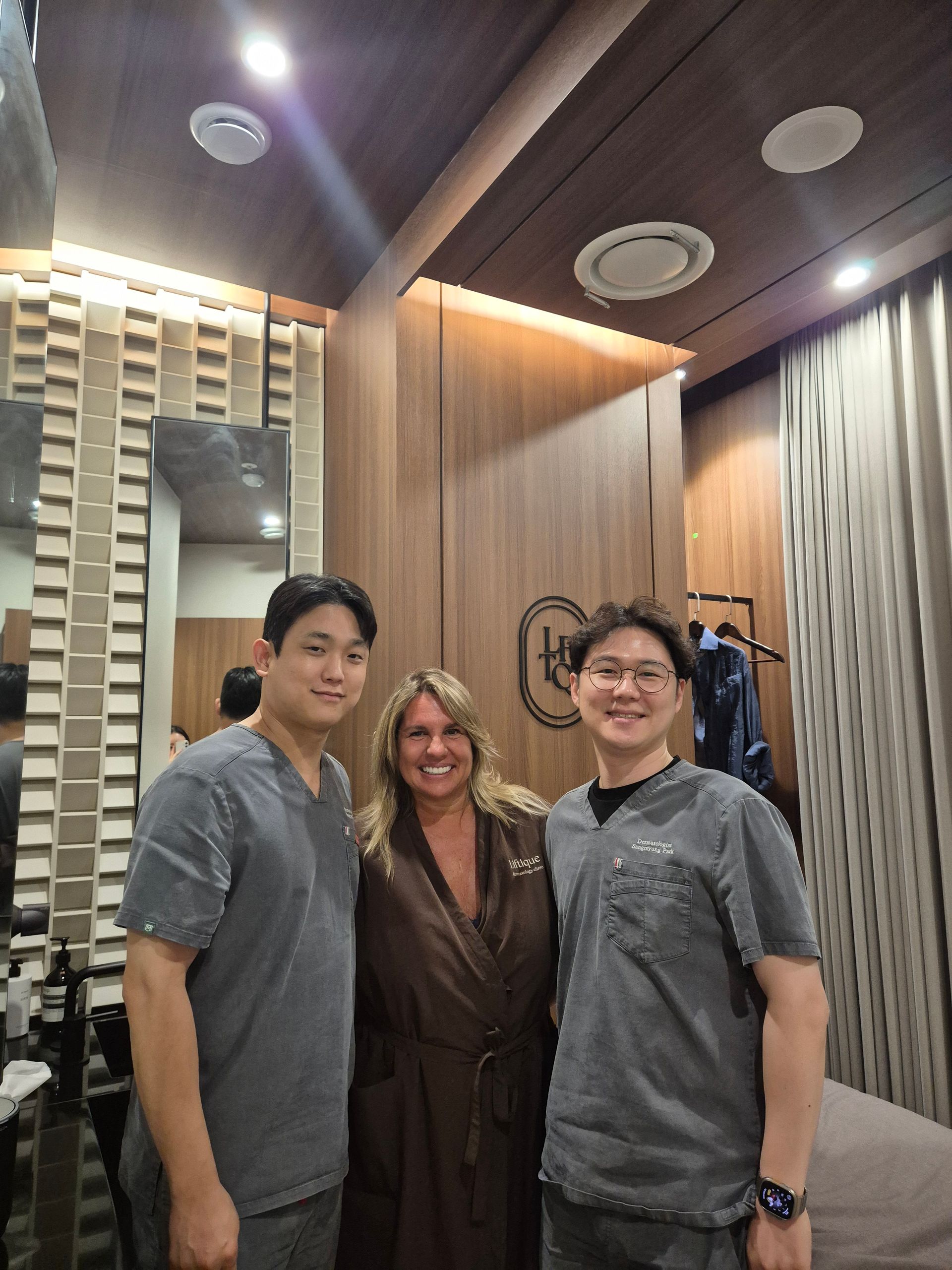
Under Eye Filler Treatments in Korean Dermatology
Under Eye Filler Treatments in Korean Dermatology
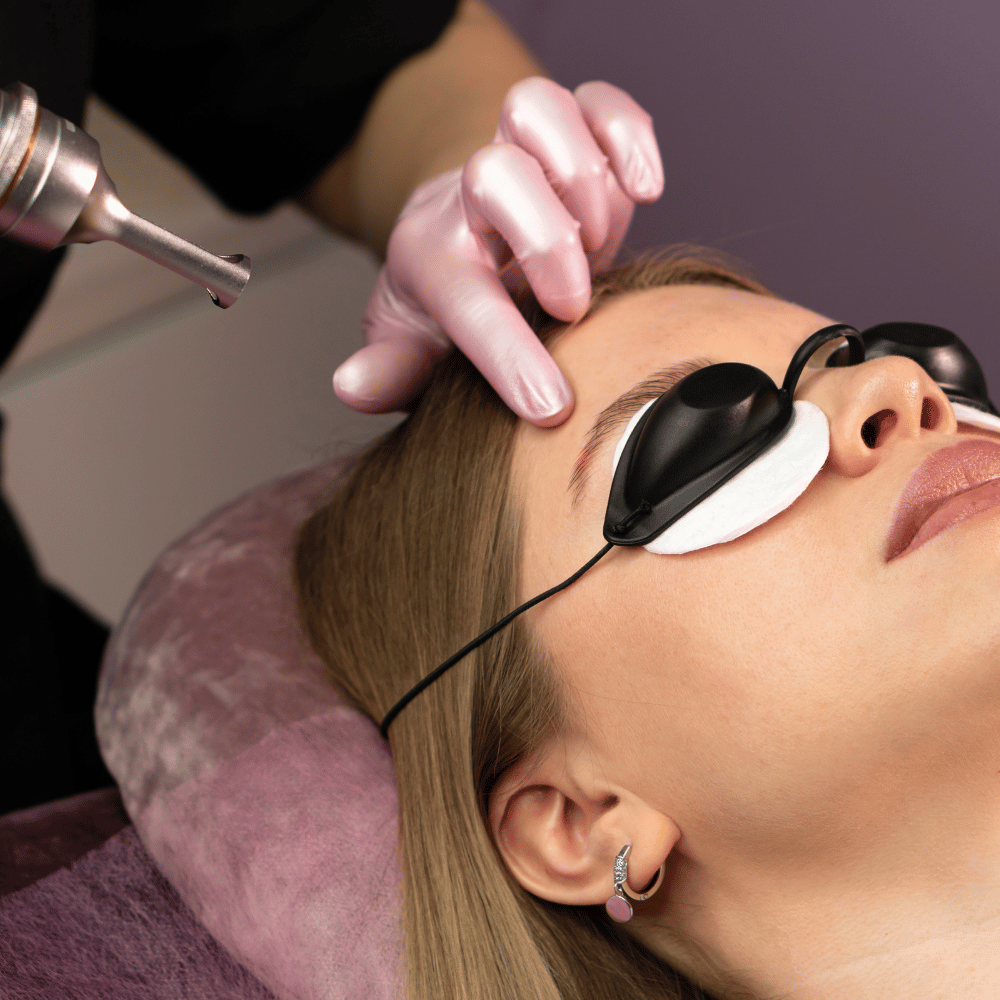
Under-eye fillers in Korea—also known as
tear trough fillers—use
hyaluronic acid (HA) to restore volume, reduce dark circles, and create a brighter, more refreshed appearance.
Korean dermatologists are known for
subtle, precise techniques, focusing on
natural results rather than overfilling.
What Are Under Eye Fillers?
Under-eye fillers are injectable treatments designed to correct:
- Hollow under-eyes (tear trough)
- Dark shadows caused by volume loss
- Tired or sunken appearance
👉 The treatment works by filling the depression between the lower eyelid and cheek, creating a smoother transition and reducing shadowing
How Under Eye Fillers Work
- A soft hyaluronic acid filler is injected into the tear trough area
- It restores lost volume and reflects light better
- This reduces the appearance of dark circles and hollowness
👉 Results are often visible immediately after treatment and improve as swelling settles
Why Korea Is Known for Under Eye Fillers
Korean dermatology focuses heavily on:
- Precision injection techniques
- Conservative filler amounts
- Natural blending with surrounding facial structure
👉 The goal is not to “fill” the under-eye—but to smooth and brighten the area naturally
What Can Under Eye Fillers Improve?
Best for:
- Hollow or sunken under-eyes
- Dark circles caused by shadowing
- Mild under-eye wrinkles
- Tired-looking appearance
👉 They are not ideal for:
- Puffy eye bags (fat protrusion)
- Pigmentation-based dark circles
Procedure & Downtime
Procedure
- Duration: ~20–30 minutes
- Numbing cream applied
- Small, precise injections
Downtime
- Minimal to none
- Mild swelling or bruising for 1–3 days
👉 Most patients return to daily activities immediately
Results & Longevity
- Immediate improvement after treatment
- Final results settle in ~1–2 weeks
- Typically lasts 6–12 months (or longer depending on technique)
👉 The under-eye area often holds filler longer because it moves less than other areas.
Cost of Under Eye Fillers in Korea
Typical range:
- ₩250,000 – ₩700,000 per 1cc
- Usually 0.5–1cc total is used for both eyes
👉 Korea offers high-quality treatment at relatively competitive pricing compared to Western countries
Safety (Very Important)
Under-eye filler is considered safe—but it is a highly delicate area.
Why Technique Matters
- Skin is very thin
- Complex blood vessel structure
- Risk of puffiness if overfilled
👉 Using techniques like micro-cannula injection can reduce bruising and improve safety
Possible Side Effects
- Swelling or bruising (common, temporary)
- Tyndall effect (bluish tint if injected too superficially)
- Puffiness if too much filler is used
👉 Serious complications are rare but require experienced injectors.
Korean Dermatology Approach (Key Difference)
Korean clinics often do NOT rely on filler alone.
Common Strategy
- Under-eye filler + mid-cheek filler
- Or alternative treatments like:
- Rejuran (skin repair)
- Laser / RF tightening
👉 This approach:
- Prevents overfilling
- Improves long-term results
- Creates more natural outcomes
Who Is a Good Candidate?
You are a good candidate if you:
- Have hollow under-eyes
- Look tired even when rested
- Have good skin elasticity
- Want a non-surgical solution
👉 Consultation is essential to determine if filler is the right option.
Common Mistakes to Avoid
- Treating pigment-based dark circles with filler
- Overfilling (causes puffiness)
- Choosing inexperienced injectors
- Skipping full-face assessment
👉 Under-eye filler is one of the most technique-sensitive procedures in dermatology.
Key Insight
👉 Not all dark circles need filler.
- Volume loss → filler works well
- Pigmentation → laser or skincare is better
- Eye bags → may need surgery
Final Thoughts
Under-eye fillers in Korea are highly effective when done correctly:
- Immediate improvement
- Minimal downtime
- Natural, refreshed appearance
👉 When performed by experienced dermatologists, the result is:
Brighter, smoother under-eyes that make you look well-rested—without looking overdone