Eczema Treatment in Korean Dermatology Clinics
Eczema Treatment in Korean Dermatology Clinics
Eczema (atopic dermatitis) in Korea is treated with a
medical + skin barrier repair approach.
Korean dermatologists combine
prescription medications, hydration therapies, and gentle laser or regenerative treatments to control inflammation, repair the skin barrier, and prevent flare-ups.
What Is Eczema (Atopic Dermatitis)?
Eczema is a chronic inflammatory skin condition that causes:
- Dry, itchy skin
- Redness and irritation
- Flaking or cracking
- Recurring flare-ups
👉 It is not just dry skin—it involves:
- Skin barrier dysfunction
- Immune system imbalance
Why Eczema Needs Medical Treatment
Eczema cannot be fully “cured,” but it can be effectively controlled.
Without proper treatment, it can:
- Worsen over time
- Lead to infection
- Cause long-term skin damage
👉 Korean dermatology focuses on:
controlling inflammation + rebuilding the skin barrier
How Korean Dermatologists Diagnose Eczema
Step 1: Clinical Evaluation
- Skin appearance
- Pattern and location
- Severity of symptoms
Step 2: Identify Triggers
- Allergies
- Weather or environment
- Skincare products
- Stress
👉 Proper diagnosis is essential to create a personalized treatment plan.
Core Eczema Treatments in Korea
1. Prescription Medications (Foundation of Treatment)
Topical Treatments
- Steroid creams (short-term control)
- Non-steroid anti-inflammatory creams
Oral Medications (if needed)
- Antihistamines (itch control)
- Immunomodulators
👉 These reduce:
- Inflammation
- Itching
- Flare-ups
2. Skin Barrier Repair (Most Important Step)
Korean dermatology strongly emphasizes repairing the skin barrier.
Treatments Include
- Medical-grade moisturizers
- Barrier repair creams
- Gentle skin boosters (in some cases)
👉 Healthy skin barrier = fewer flare-ups.
3. Hydration Treatments
Options
- Hyaluronic acid skin boosters
- Hydrating facials (Aqua Peel, etc.)
👉 These improve:
- Skin moisture retention
- Elasticity
- Overall skin comfort
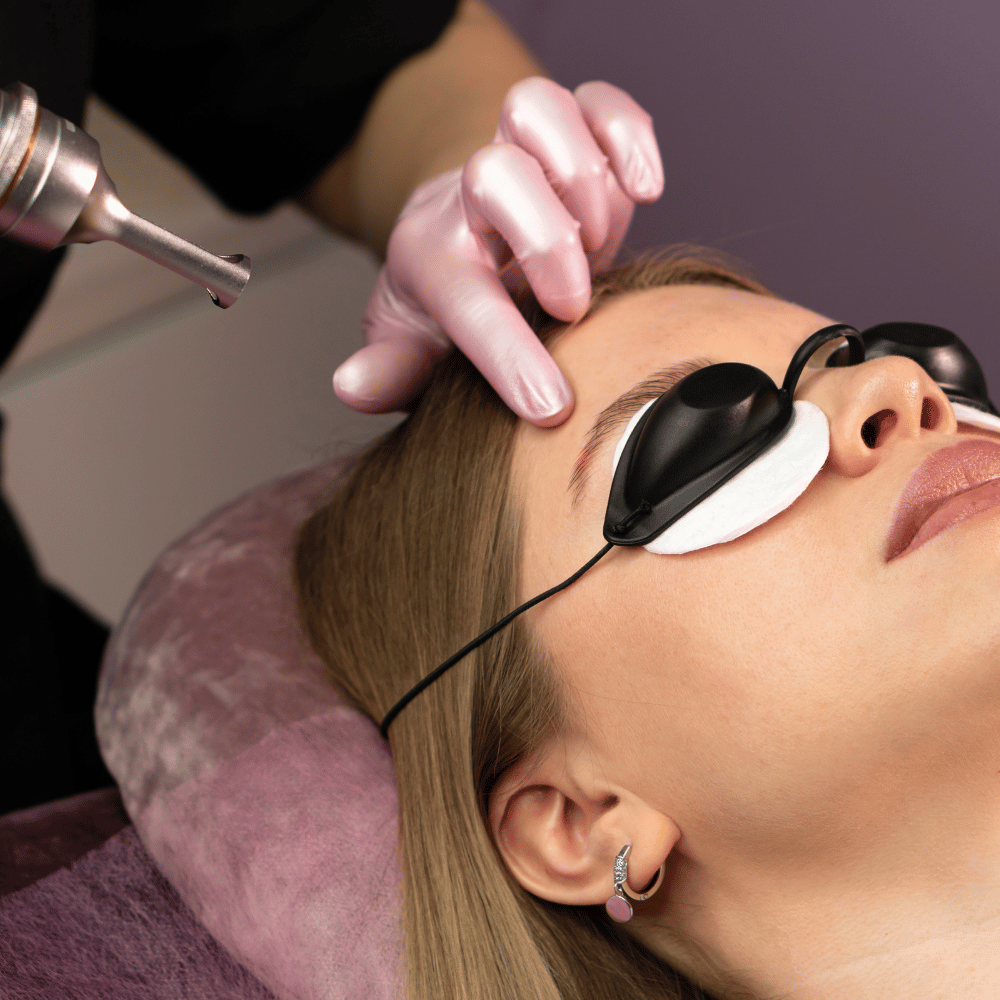
4. Laser & Light Therapy (For Chronic Cases)
Common Options
- Low-energy laser therapy
- Light-based treatments
Purpose
- Reduce inflammation
- Improve skin healing
- Calm redness
👉 Used carefully to avoid irritation.
5. Regenerative Treatments (Advanced Care)
Examples
- Rejuran (PN therapy)
- PDRN treatments
👉 These help:
- Repair damaged skin
- Strengthen the skin barrier
- Improve long-term resilience
6. Lifestyle & Skincare Guidance
Korean dermatologists also focus on:
- Gentle skincare routines
- Avoiding triggers
- Proper cleansing and hydration
👉 This is essential for long-term eczema control.
Typical Treatment Plan in Korea
- Week 1: Diagnosis + medication
- Weeks 2–4: Inflammation control
- Month 2+: Barrier repair + maintenance
👉 Chronic eczema requires ongoing management—not one-time treatment.
What Results Can You Expect?
- 1–2 weeks: reduced itching and redness
- 3–4 weeks: improved skin condition
- Long-term: fewer flare-ups
👉 Consistency is key for stable results.
Why Korean Dermatology Is Effective for Eczema
- Focus on root cause (inflammation + barrier)
- Combination of medical + supportive treatments
- Gradual, non-aggressive approach
👉 This minimizes:
- Skin irritation
- Recurrence
- Over-treatment
Who Should Seek Treatment?
You should see a dermatologist if you have:
- Persistent dry, itchy skin
- Frequent flare-ups
- Skin that does not improve with basic skincare
- Severe irritation or cracking
Common Mistakes to Avoid
- Overusing steroid creams without guidance
- Using harsh skincare products
- Ignoring triggers
- Trying to treat eczema with aesthetic treatments alone
👉 Eczema is a medical condition—not just a cosmetic issue
Key Insight
👉 Eczema treatment in Korea focuses on:
- Calm inflammation
- Repair skin barrier
- Maintain hydration
Final Thoughts
Eczema treatment in Korean dermatology clinics combines:
- Medical therapy → control symptoms
- Barrier repair → prevent recurrence
- Hydration → improve skin comfort
👉 When managed properly, this approach delivers:
Calmer, healthier skin with fewer flare-ups and better long-term control