Psoriasis Treatment Options in Seoul
Psoriasis Treatment Options in Seoul
Psoriasis is a
chronic autoimmune skin condition that cannot be cured—but it can be
effectively controlled with medical treatment.
In Seoul, dermatology clinics use a
step-by-step approach combining medication, phototherapy, and advanced biologic treatments, depending on severity.
What Is Psoriasis?
Psoriasis is a condition where skin cells multiply too quickly, causing:
- Red, inflamed patches
- Thick scales
- Itching and discomfort
👉 It often comes in flare-ups and remission cycles, requiring long-term management
How Psoriasis Is Treated in Seoul
Korean dermatologists follow a severity-based treatment system, combining multiple therapies when needed.
1. Topical Treatments (First-Line Treatment)
Common Options
- Steroid creams
- Vitamin D analogues
- Anti-inflammatory ointments
👉 These are used for mild psoriasis and help:
- Reduce inflammation
- Slow skin cell growth
- Relieve itching
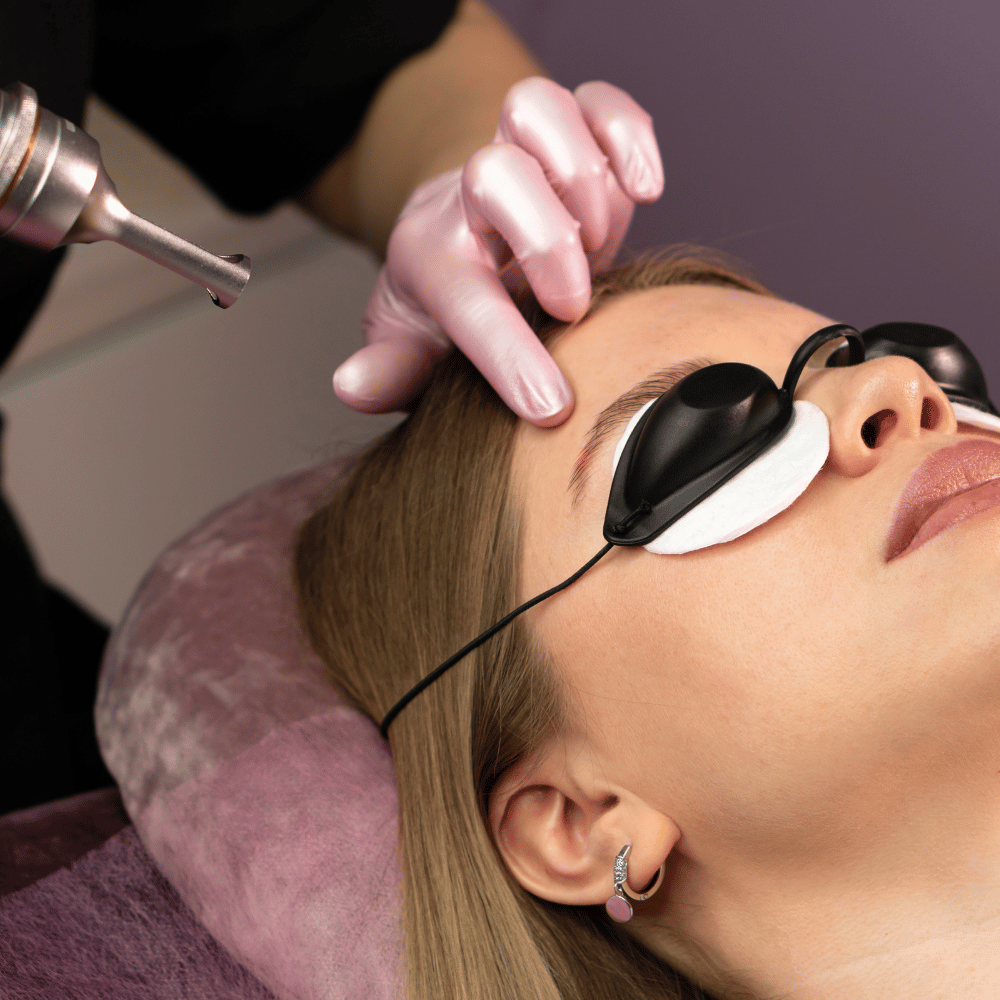
2. Phototherapy (Light Therapy)
How It Works
- Controlled UVB light exposure
- Slows abnormal skin cell turnover
👉 Used when topical treatments are not enough
Benefits
- Effective for widespread psoriasis
- Non-invasive
👉 Many Seoul hospitals have dedicated phototherapy units for chronic cases
3. Oral Medications (Systemic Treatment)
Options Include
- Immunosuppressants
- Retinoids
- Anti-inflammatory drugs
👉 Used for:
- Moderate psoriasis
- Cases not responding to topical treatment
4. Biologic Therapy (Advanced Treatment)
What It Is
- Injectable medications targeting immune pathways
👉 These are used for:
- Moderate to severe psoriasis
- Long-term disease control
👉 Korean hospitals offer biologics as part of advanced dermatology care programs
5. Combination Therapy (Most Common in Korea)
Korean dermatologists rarely rely on one method.
👉 Typical combination:
- Topical treatment + phototherapy
- Medication + laser/light therapy
👉 This improves:
- Treatment effectiveness
- Speed of symptom control
- Long-term stability
6. Supportive & Maintenance Treatments
Includes
- Medical moisturizers (barrier repair)
- Anti-inflammatory skincare
- Lifestyle guidance
👉 These help:
- Reduce flare-ups
- Maintain remission
Where to Get Psoriasis Treatment in Seoul
Major Hospitals (Severe Cases)
- Seoul National University Hospital
- Asan Medical Center
- Samsung Medical Center
👉 These centers offer:
- Multidisciplinary care
- Advanced biologic therapies
- Complex case management
Dermatology Clinics in Gangnam (Mild to Moderate Cases)
- HOLD Skin Clinic
- Egg Skin Clinic
- Delight Dermatology Clinic
👉 These clinics provide:
- Customized treatment plans
- Ongoing management
- Foreigner-friendly services
What to Expect (Treatment Timeline)
- Week 1: Diagnosis + initial treatment
- Weeks 2–4: symptom improvement
- 1–3 months: stable control
👉 Psoriasis requires continuous management—not one-time treatment
Why Seoul Is a Good Place for Psoriasis Treatment
- Advanced dermatology systems
- Access to both clinics and major hospitals
- Combination of medical + technology-based treatments
👉 Seoul is known for structured, long-term skin disease management.
Who Should Seek Treatment?
You should see a dermatologist if you have:
- Persistent red, scaly patches
- Itching or skin cracking
- Symptoms not improving with skincare
- Suspected autoimmune skin condition
Common Mistakes to Avoid
- Treating psoriasis like dry skin
- Using only cosmetic treatments
- Stopping treatment too early
- Ignoring triggers (stress, weather, etc.)
👉 Psoriasis is a medical condition—not a cosmetic issue
Key Insight
👉 Psoriasis treatment in Seoul focuses on:
- Controlling inflammation
- Slowing skin turnover
- Preventing flare-ups
Final Thoughts
Psoriasis treatment in Seoul combines:
- Medical therapy (topicals, oral meds)
- Phototherapy and advanced biologics
- Long-term maintenance care
👉 When managed properly, this approach delivers:
Clearer skin, reduced flare-ups, and long-term disease control—not just temporary relief