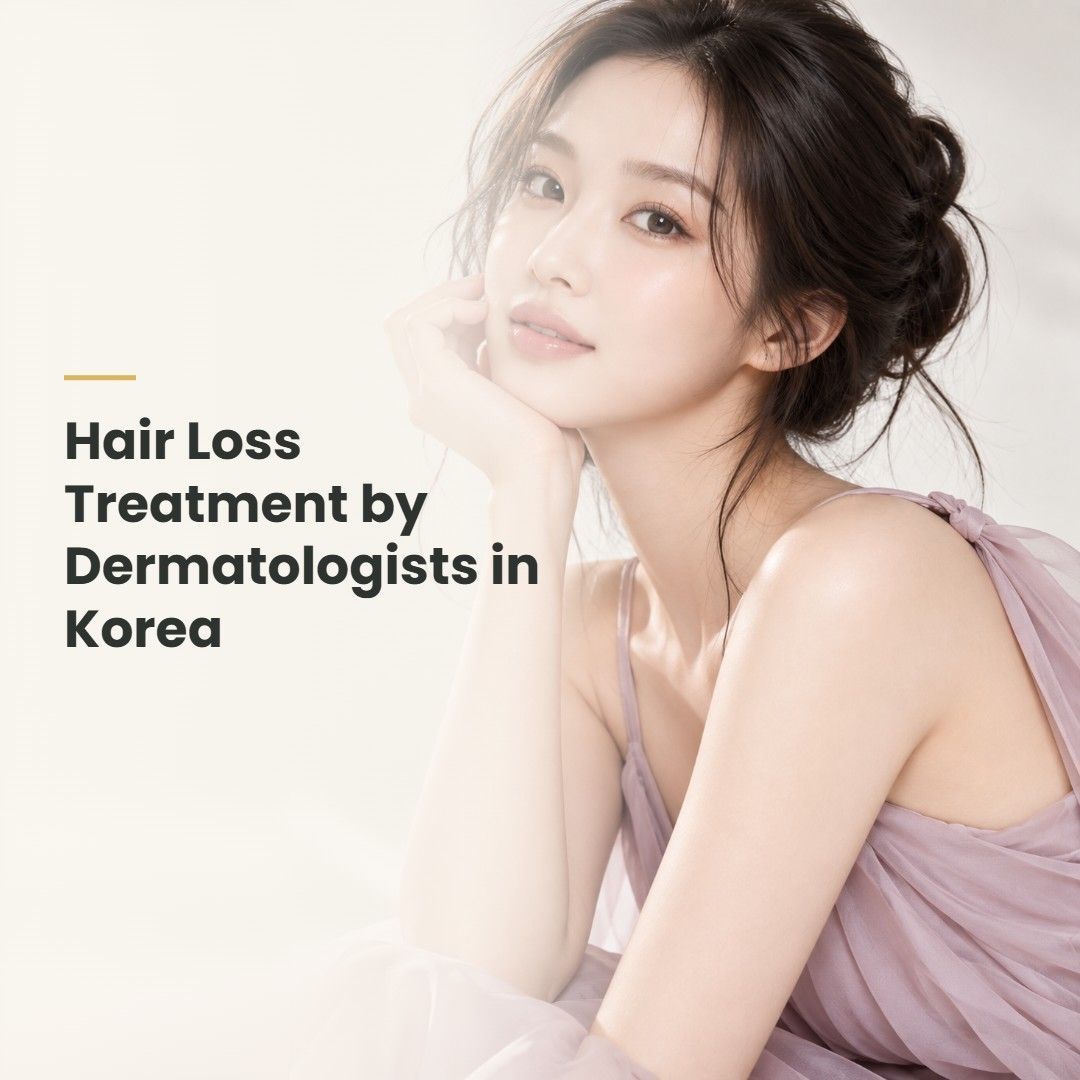
Hair Loss Treatment by Dermatologists in Korea
Hair loss treatment in Korea is highly
medical, personalized, and combination-based.
Dermatologists use a mix of
medications, scalp treatments, regenerative injections, and laser therapy to
stop hair loss, stimulate regrowth, and improve scalp health.
Why See a Dermatologist for Hair Loss in Korea?
Hair loss is not just cosmetic—it’s a medical condition with multiple causes, such as:
- Genetics (androgenetic alopecia)
- Hormonal imbalance
- Stress or illness
- Scalp inflammation
👉 Korean dermatologists focus on:
- Accurate diagnosis first
- Then building a custom treatment plan based on cause
Step 1: Diagnosis & Scalp Analysis (Very Important)
Before treatment, clinics typically perform:
- Scalp examination (trichoscopy)
- Hair density analysis
- Blood tests (hormones, iron, thyroid)
👉 This ensures the treatment targets the root cause—not just symptoms
Core Hair Loss Treatments in Korea
1. Medications (Foundation of Treatment)
Most Common Options
- Minoxidil (topical or oral)
- Finasteride / Dutasteride (for men)
- Spironolactone (for women in some cases)
👉 These are the most widely used and clinically proven treatments for hair loss
How They Work
- Minoxidil → stimulates hair growth and improves follicle activity
- Finasteride → blocks DHT (main cause of genetic hair loss)
👉 Long-term use is required to maintain results
2. Hair Growth Injections (Very Popular in Korea)
Types
- PRP (Platelet-Rich Plasma)
- Exosome therapy
- PDRN / peptide scalp boosters
👉 These are injected into the scalp to:
- Stimulate hair follicles
- Improve thickness and density
- Enhance scalp health
3. Laser & Light Therapy
Common Options
- Low-level laser therapy (LLLT)
- LED scalp treatment
👉 These:
- Improve blood circulation
- Stimulate follicle activity
- Support regrowth
Often combined with medication for better results
4. Scalp Care & Medical Treatments
Includes
- Scalp scaling (deep cleansing)
- Anti-inflammatory treatments
- Medical scalp peels
👉 Helps:
- Remove buildup
- Improve scalp environment
- Support healthier hair growth
5. Regenerative Therapies (Advanced Option)
Examples
- Exosome therapy
- Stem cell-based treatments
👉 These aim to:
- Repair damaged follicles
- Promote long-term regeneration
👉 Korea is known for being at the forefront of these next-generation treatments
6. Combination Treatment (Standard in Korea)
👉 Korean dermatologists rarely use just one method.
Typical Plan
- Medication → stop hair loss
- Injections → stimulate regrowth
- Laser → improve scalp condition
- Scalp care → maintain environment
👉 This multi-layer approach delivers better and faster results.
What to Expect (Treatment Timeline)
- 1–2 months: reduced shedding
- 3–4 months: early regrowth
- 6+ months: visible improvement in density
👉 Hair treatment takes time—consistency is key
Cost of Hair Loss Treatment in Korea
Typical ranges:
- Medications: relatively affordable (monthly)
- Laser therapy: ₩50,000 – ₩150,000 per session
- PRP / injections: ₩300,000 – ₩1,000,000 per session
👉 Total cost depends on severity and combination plan.
Who Is a Good Candidate?
You are a good candidate if you:
- Notice thinning hair or receding hairline
- Have increased hair shedding
- Have early-stage hair loss
👉 Best results occur when treatment starts early
Common Mistakes to Avoid
- Waiting too long to start treatment
- Using over-the-counter products without diagnosis
- Stopping treatment too early
- Choosing clinics based only on price
👉 Hair loss is progressive—early intervention matters
Key Insight
👉 Hair loss treatment in Korea focuses on:
- Stopping hair loss first
- Then stimulating regrowth
- Then maintaining results long-term
Final Thoughts
Korean dermatologists treat hair loss with a structured, medical approach:
- Accurate diagnosis
- Evidence-based medication
- Advanced regenerative treatments
- Long-term management
👉 When done correctly, this delivers:
Stronger, thicker, and healthier hair—with controlled hair loss progression