Exosome Therapy in Korea Dermatology Clinics
Exosome Therapy in Korea Dermatology Clinics
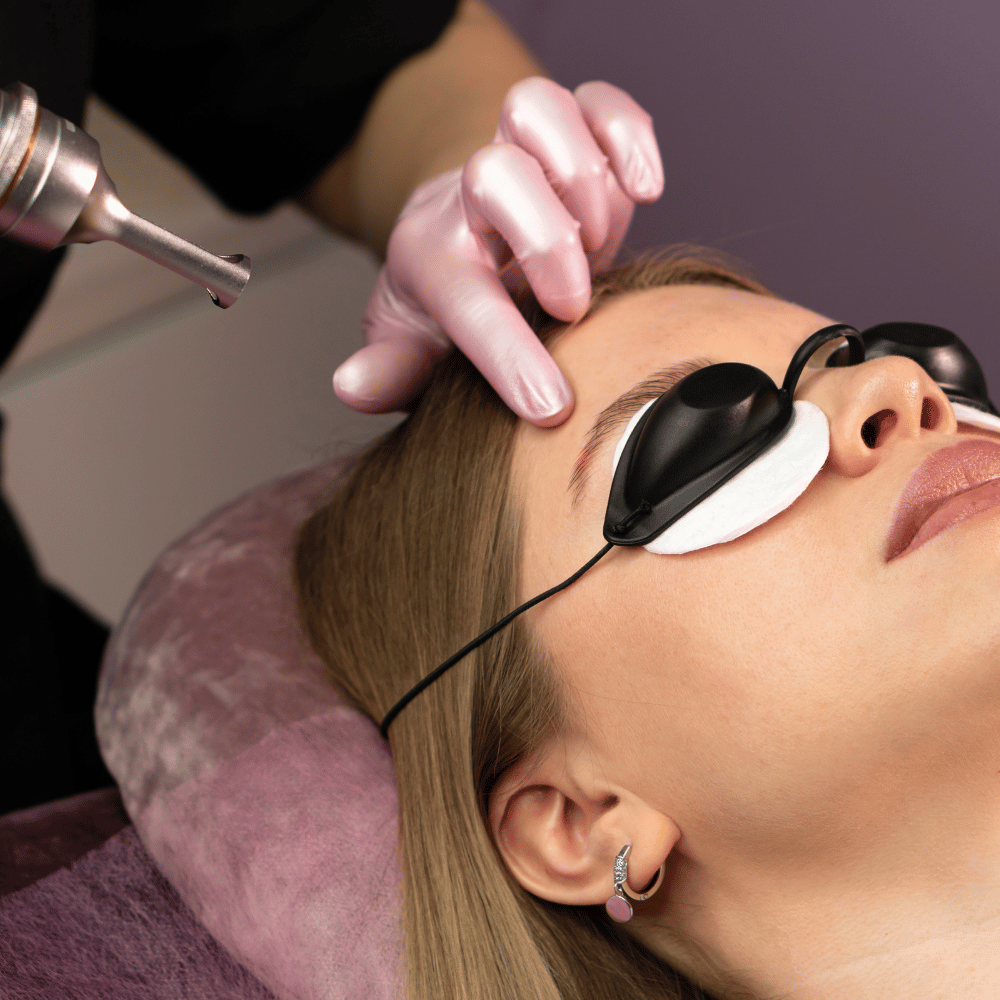
Exosome therapy is one of the most advanced skin treatments in Korea, often called the
“next-generation skin booster.”
It uses
cell-derived messengers (exosomes) to stimulate skin repair, collagen production, and healing—delivering
strong regenerative effects with minimal downtime.
What Is Exosome Therapy?
Exosome therapy uses tiny extracellular vesicles derived from stem cells that act as “messengers” between skin cells.
👉 These exosomes contain:
- Growth factors
- Proteins
- Peptides
- Genetic signals
👉 Their role is to:
- Communicate with damaged cells
- Trigger repair and regeneration
- Improve overall skin function
In simple terms:
👉
Exosomes tell your skin how to heal and behave like younger skin
Why Exosome Therapy Is Popular in Korea
Korean dermatology focuses heavily on regenerative treatments, not just surface-level improvements.
Exosome therapy is considered:
- A next-generation skin booster
- A key part of “glass skin” and anti-aging programs
- A treatment that improves skin quality from within
👉 It’s widely used because it targets the root cause of aging and skin damage—not just symptoms.
How Exosome Therapy Works
Once delivered into the skin (usually via microneedling or laser-assisted absorption):
- Exosomes send signals to skin cells
- Cells increase collagen and elastin production
- Skin repair and regeneration accelerate
👉 This improves:
- Skin texture
- Elasticity
- Hydration
- Overall skin health
What Skin Concerns Does It Treat?
Best for:
- Fine lines and early aging
- Acne scars
- Dull or uneven skin tone
- Sensitive or damaged skin
- Post-laser recovery
👉 Exosomes are especially effective for:
- Healing + regeneration
- Inflammation reduction
- Long-term skin improvement
Key Benefits of Exosome Therapy
1. Strong Skin Regeneration
- Stimulates collagen production
- Improves skin thickness and elasticity
👉 Works deeper than typical skin boosters
2. Faster Healing & Recovery
- Reduces redness and irritation
- Speeds up recovery after lasers or microneedling
👉 Often used as a post-procedure treatment
3. Improved Skin Texture & Tone
- Smoother skin
- Brighter complexion
- Reduced pores
4. Anti-Inflammatory Effects
- Calms sensitive or reactive skin
- Helps with acne and redness
👉 This makes it suitable for sensitive skin types
How Is It Done in Korea?
Exosome therapy is rarely used alone.
Common Delivery Methods
- Microneedling + exosome serum
- Laser + exosome application
- Injection-based skin boosters (in some clinics)
👉 These methods improve absorption and effectiveness
What Is the Procedure Like?
Procedure
- 30–60 minutes
- Often combined with another treatment
- Minimal discomfort
Downtime
- Mild redness (1–2 days)
- Faster recovery compared to laser alone
👉 Many patients choose this because it reduces downtime rather than increasing it
When Will You See Results?
- Immediate: glow and hydration
- 1–2 weeks: smoother texture
- 3–4 weeks: improved elasticity and tone
👉 Results improve gradually as skin regenerates.
How Long Do Results Last?
- Typically 3–6 months
- Longer with combination treatments
👉 Maintenance sessions are usually recommended.
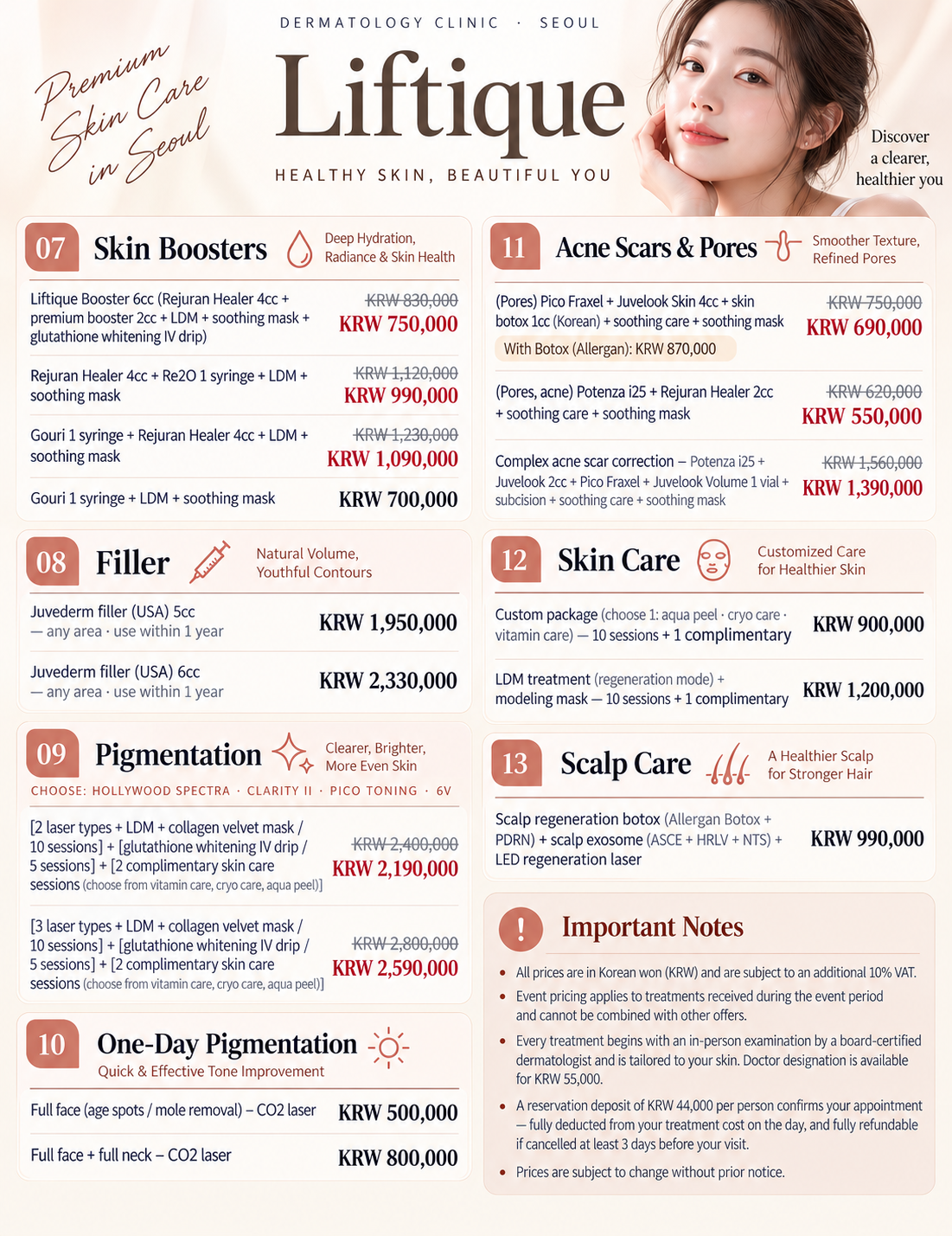
Cost of Exosome Therapy in Korea
Typical range:
- ₩300,000 – ₩1,000,000+ per session
👉 Price depends on:
- Delivery method (laser, microneedling, injection)
- Product quality
- Clinic expertise
Exosome vs Other Skin Boosters
Exosome
- Focus: cellular communication + regeneration
- Effect: deep repair + anti-aging
Rejuran (PN)
- Focus: skin repair and healing
HA Boosters
- Focus: hydration and glow
👉 Exosome is often considered:
the most advanced regenerative option
Korean Dermatology Approach (Key Insight)
In Korea, exosome therapy is almost always combined with:
- Laser treatments
- RF microneedling
- Skin boosters (Rejuran, HA)
👉 This combination:
- Enhances results
- Reduces downtime
- Improves long-term skin quality
Is Exosome Therapy Safe?
Generally Safe in Clinical Settings
- Does not involve live cells (unlike stem cell therapy)
- Uses purified biological signals
👉 Lower risk of immune reaction compared to stem cell therapy
Important Consideration
- Still an emerging treatment
- Research is ongoing regarding long-term effects
👉 Safety depends heavily on:
- Product quality
- Clinic standards
- Proper application
Who Is a Good Candidate?
You are a good candidate if you:
- Want advanced anti-aging treatment
- Have damaged or sensitive skin
- Are recovering from laser treatments
- Want long-term skin improvement
Common Mistakes to Avoid
- Expecting instant dramatic results
- Choosing low-quality or unclear products
- Using exosome therapy alone without combination
- Not verifying clinic credentials
👉 This is a high-level treatment that requires proper medical guidance
Key Takeaway
👉 Exosome therapy = cellular-level skin regeneration
- Repairs
- Signals
- Rebuilds
Final Thoughts
Exosome therapy represents the future of Korean dermatology:
- Advanced regenerative science
- Minimal downtime
- Strong long-term skin improvement
👉 When done correctly, it delivers:
Healthier, stronger, smoother, and more youthful skin—from the inside out