Polynucleotide Treatments for Skin Regeneration
Polynucleotide Treatments for Skin Regeneration
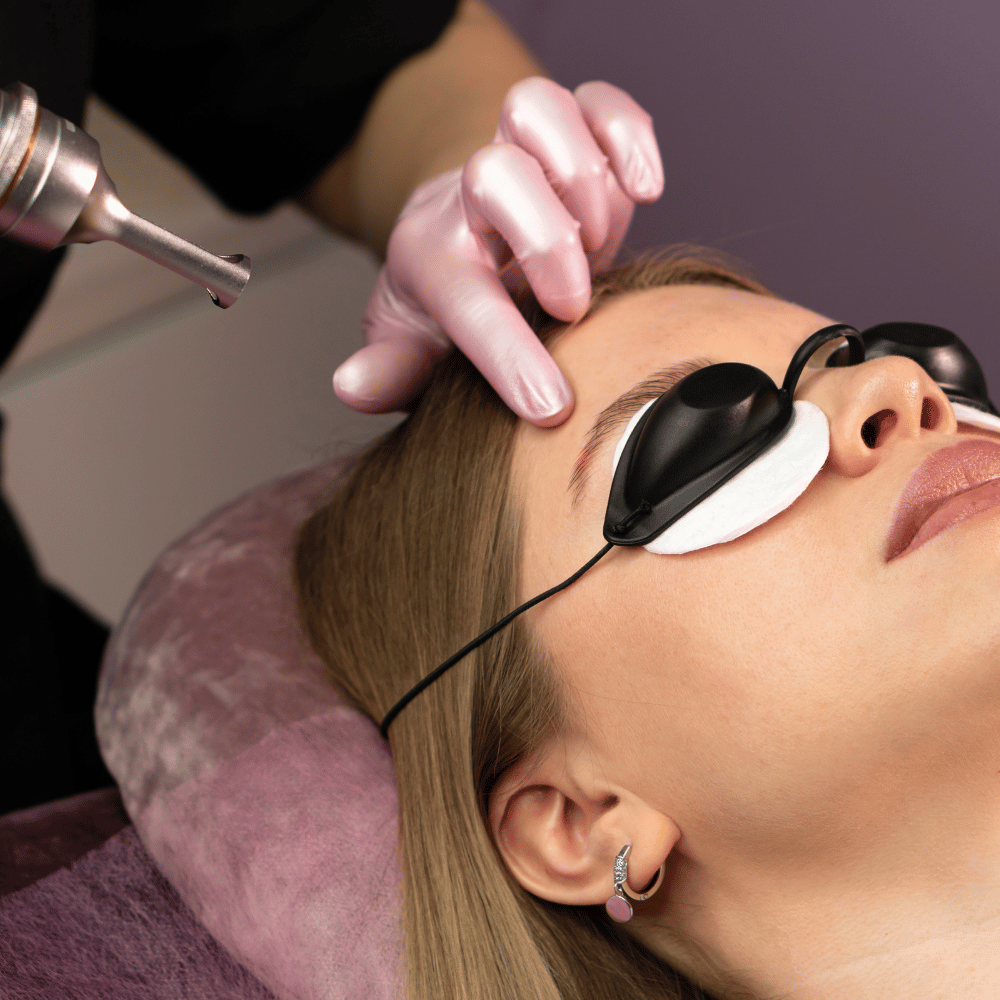
Polynucleotide (PN) treatments are advanced injectable therapies used in Korea to
repair, regenerate, and strengthen the skin at a cellular level.
They are best known through treatments like
Rejuran Healer, delivering
long-term skin improvement, better elasticity, and healthier skin structure—not just temporary glow.
What Are Polynucleotide (PN) Treatments?
Polynucleotide treatments use DNA fragments (typically derived from salmon) that are highly compatible with human skin.
👉 These molecules are injected into the dermis to:
- Repair damaged skin
- Stimulate collagen production
- Improve skin thickness and elasticity
👉 Unlike fillers or basic skin boosters, PN treatments focus on true skin regeneration.
How Polynucleotides Work
Once injected into the skin, PN:
- Activates fibroblasts (collagen-producing cells)
- Promotes tissue repair
- Improves microcirculation
- Strengthens the skin barrier
👉 This leads to:
- Thicker, stronger skin
- Smoother texture
- Reduced inflammation
- Improved elasticity
What Skin Concerns Do PN Treatments Treat?
Best for:
- Acne scars
- Fine lines and wrinkles
- Enlarged pores
- Thin or fragile skin
- Sensitive or damaged skin
- Dull complexion
👉 Especially effective for skin that needs repair—not just hydration.
Most Popular PN Treatments in Korea
1. Rejuran Healer
- Most well-known PN treatment
- Used for full-face skin regeneration
2. Rejuran i (Under-Eye Version)
- Designed for delicate eye area
- Targets dark circles and fine lines
3. Rejuran S (Scar Treatment)
- Higher concentration
- Used for acne scars and damaged areas
👉 These variations allow customized treatment based on skin concerns.
What Makes PN Treatments Different?
1. True Skin Regeneration
- Repairs damaged tissue
- Improves skin structure
👉 Not just cosmetic—it improves skin function
2. Long-Term Results
- Gradual collagen remodeling
- Strengthens skin over time
👉 Results improve for weeks after treatment
3. Natural Outcome
- No added volume
- No change in facial shape
👉 Skin simply looks healthier and more refined
Procedure & Downtime
Procedure
- 20–40 minutes
- Multiple micro-injections
- Numbing cream applied
Downtime
- Small bumps (1–3 days)
- Mild redness or swelling
👉 Slightly more downtime than basic skin boosters, but still minimal.
When Will You See Results?
- 1–2 weeks: smoother texture
- 3–4 weeks: improved elasticity
- 1–3 months: full regeneration effects
👉 Results are gradual but long-lasting
How Many Sessions Are Needed?
Typical plan:
- 3–4 sessions
- Every 3–4 weeks
👉 Maintenance every 6 months is common.
How Long Do Results Last?
- Typically 6–12 months
👉 Longer with combination treatments and good skincare.
Cost of PN Treatments in Korea
Typical range:
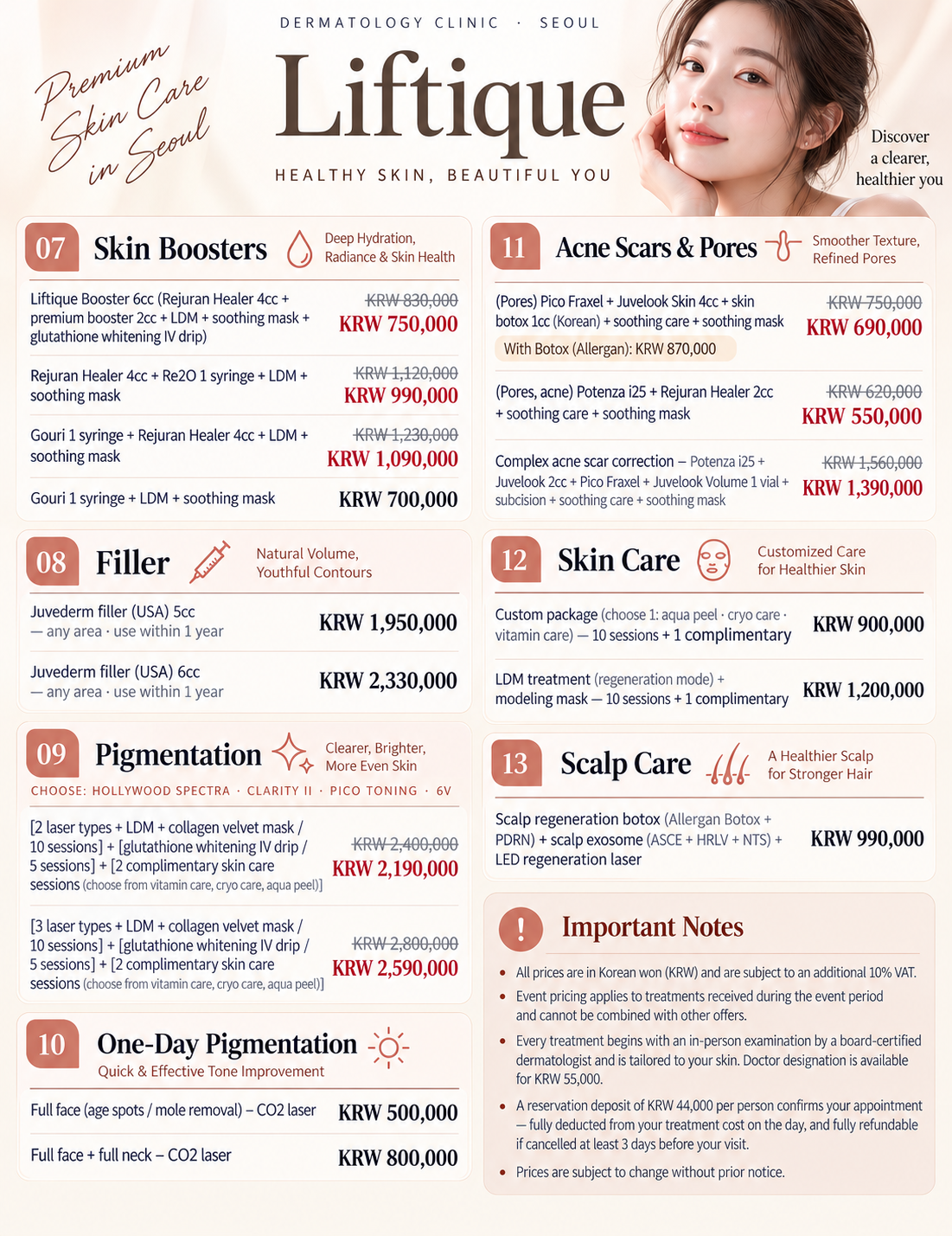
- ₩300,000 – ₩800,000 per session
👉 Price varies depending on:
- Product type
- Treatment area
- Clinic expertise
PN vs Other Skin Boosters
PN (Polynucleotides)
- Repair + regeneration
- Strong anti-aging
HA Boosters
- Hydration + glow
PDRN
- Healing + anti-inflammatory
👉 PN is the most structural and regenerative option.
Korean Dermatology Approach (Key Insight)
PN treatments are rarely used alone.
Common Combinations
- PN + HA skin booster
- PN + laser treatments
- PN + RF microneedling
👉 This enhances:
- Hydration
- Collagen production
- Overall skin quality
Who Is a Good Candidate?
You are a good candidate if you:
- Have damaged or aging skin
- Want long-term skin improvement
- Have acne scars or enlarged pores
- Prefer natural results
Common Mistakes to Avoid
- Expecting instant results
- Doing only one session
- Choosing based on price alone
- Not combining with other treatments
👉 PN treatments are a process, not a quick fix
Key Takeaway
👉 Polynucleotide treatments = skin regeneration at a cellular level
- Repair
- Rebuild
- Strengthen
Final Thoughts
Polynucleotide treatments are one of the key reasons Korean dermatology is known for:
- Natural results
- Healthy skin improvement
- Long-term anti-aging
👉 When done correctly, they deliver:
Stronger, smoother, and more resilient skin—from within