How to Treat Seborrheic Dermatitis in Korea
How to Treat Seborrheic Dermatitis in Korea (Dermatologist Guide for Foreign Patients)
Seborrheic dermatitis in Korea is treated with a combination of
medical therapy, anti-inflammatory care, and gentle scalp/skin treatments.
Korean dermatologists focus on
controlling yeast overgrowth, reducing inflammation, and restoring the skin barrier, using both prescription treatments and supportive therapies for
long-term control—not just temporary relief.
What Is Seborrheic Dermatitis?
Seborrheic dermatitis is a chronic inflammatory skin condition that affects oily areas such as:
- Scalp (dandruff)
- Face (around nose, eyebrows, forehead)
- Ears and chest
Common Symptoms
- Flaking and dandruff
- Redness and irritation
- Itchy or greasy skin
- Yellowish scales
👉 It is linked to yeast (Malassezia), excess oil, and skin sensitivity.
How Korean Dermatologists Treat Seborrheic Dermatitis
Treatment focuses on three key areas:
- Controlling yeast (fungal overgrowth)
- Reducing inflammation
- Strengthening the skin barrier
👉 A combination approach is essential for effective management.
1. Antifungal Treatment (Core Treatment)
Common Options
- Ketoconazole shampoo or cream
- Ciclopirox
- Antifungal cleansers
Purpose
- Reduce Malassezia yeast
- Control flaking and scaling
👉 This is the most important step in treatment.
2. Anti-Inflammatory Treatment
Options
- Topical steroids (short-term use)
- Calcineurin inhibitors (e.g., tacrolimus, pimecrolimus)
Benefits
- Reduces redness and itching
- Calms flare-ups quickly
👉 Korean dermatologists often use low-dose, controlled application to avoid side effects.
3. Medicated Scalp & Skin Care
For Scalp
- Medicated shampoos (2–3 times per week)
- Gentle daily shampoos for maintenance
For Face
- Mild, non-irritating cleansers
- Dermatologist-recommended moisturizers
👉 Proper cleansing is key to prevent recurrence.
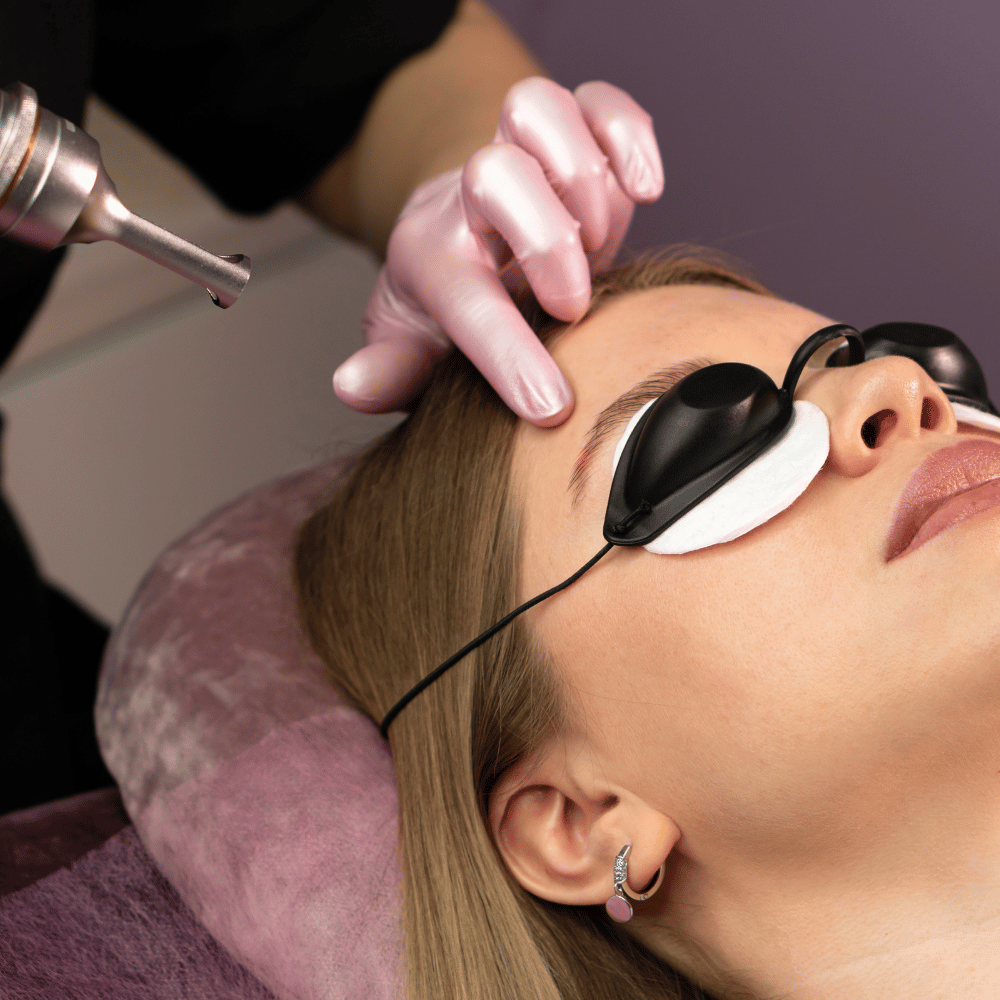
4. Gentle Laser & Light Therapy (Supportive Treatment)
Options
- LED light therapy
- Low-energy laser treatments
Benefits
- Reduces inflammation
- Improves skin healing
- Calms redness
👉 Used as a supportive treatment, not a primary solution.
5. Skin Barrier Repair (Very Important in Korea)
Focus
- Strengthen skin barrier
- Reduce sensitivity
Common Treatments
- Ceramide-based moisturizers
- Soothing creams with cica or peptides
- Hydration-focused therapies
👉 Barrier repair helps prevent future flare-ups.
6. Sebum Control (For Oily Skin Types)
Why It Matters
Seborrheic dermatitis thrives in oily environments.
Approaches
- Oil-control skincare
- Light exfoliation (only when stable)
- Dermatology treatments for sebum regulation
👉 Controlling oil reduces recurrence risk.
7. Lifestyle & Trigger Management
Korean dermatologists emphasize:
- Stress reduction
- Avoiding harsh skincare products
- Managing diet (reduce alcohol, greasy foods)
- Maintaining regular scalp hygiene
👉 Lifestyle plays a major role in long-term control.
Combination Therapy (Korean Standard Approach)
Typical treatment plan:
- Antifungal shampoo/cream
- Anti-inflammatory medication
- Gentle skincare routine
- Optional light therapy
👉 This approach ensures:
- Faster symptom control
- Reduced recurrence
- Healthier skin overall
Typical Treatment Timeline in Korea
- Week 1: Diagnosis + start antifungal treatment
- Weeks 2–4: Symptoms improve significantly
- Month 1+: Maintenance care
- Ongoing: Preventive routine
👉 Condition improves quickly but requires long-term management.
Cost of Treatment in Korea
Typical ranges:
- Consultation: ₩10,000 – ₩30,000
- Medicated shampoos/creams: affordable
- LED/light therapy: ₩50,000 – ₩150,000
👉 Overall, treatment is relatively cost-effective in Korea.
Common Mistakes to Avoid
- Using regular anti-dandruff products only
- Over-washing or using harsh cleansers
- Ignoring facial symptoms
- Stopping treatment too early
👉 Seborrheic dermatitis requires consistent management, not one-time treatment.
Why Korea Is Effective for Treatment
Korean dermatology stands out because of:
- Combination of medical + supportive care
- Gentle treatment philosophy
- Strong focus on skin barrier health
👉 This leads to:
Faster relief, fewer flare-ups, and better long-term control
Final Thoughts
Seborrheic dermatitis cannot be permanently cured—but it can be very well managed.
- Antifungal = control cause
- Anti-inflammatory = reduce symptoms
- Skincare = prevent recurrence
👉 With the right approach, you can achieve:
Clearer, calmer, and more stable skin long-term