Sensitive Skin Treatment Options in Korean Dermatology
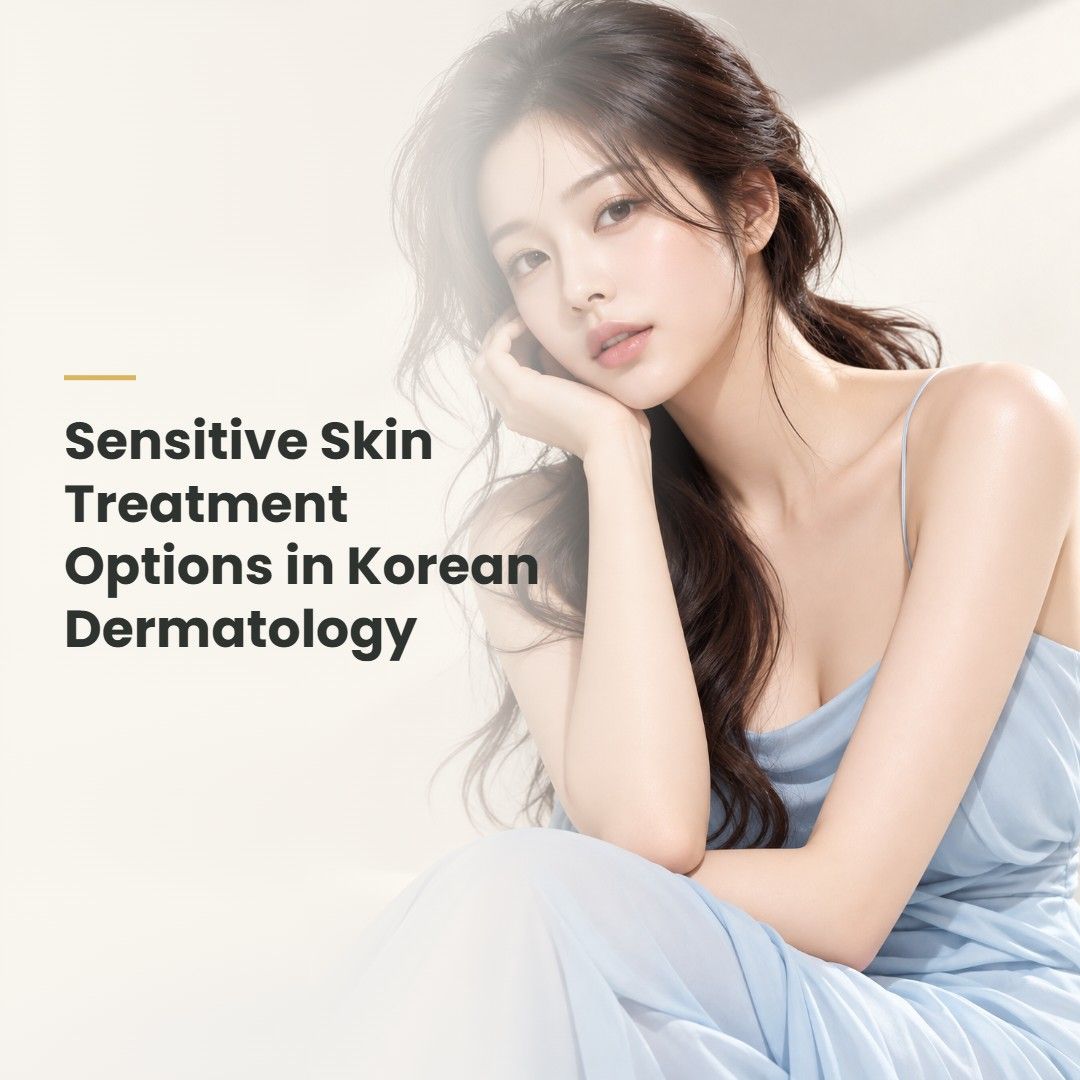
Sensitive skin treatment in Korea focuses on
calming inflammation, repairing the skin barrier, and using gentle, low-irritation procedures.
Korean dermatologists combine
medical skincare, light-based therapies, and regenerative treatments to strengthen the skin—delivering
long-term stability instead of temporary relief.
What Is Sensitive Skin?
Sensitive skin is typically caused by a weakened skin barrier, leading to:
- Redness and flushing
- Burning or stinging sensation
- Dryness and irritation
- Reactivity to products or environment
👉 In many cases, conditions like rosacea or dermatitis are involved, requiring medical-level care—not just cosmetic treatments.
How Korean Dermatology Treats Sensitive Skin
Korean dermatology takes a gentle, multi-step approach:
- Identify triggers and root cause
- Calm inflammation first
- Strengthen the skin barrier
- Gradually introduce treatments
👉 This avoids over-treatment and reduces long-term sensitivity
1. Barrier Repair & Medical Skincare (Foundation Step)
Key Focus
- Restore skin barrier
- Reduce inflammation
- Improve hydration
Common Treatments
- Dermatologist-prescribed creams
- Ceramide-rich moisturizers
- Anti-inflammatory ingredients (centella asiatica, peptides)
👉 Korean dermatology prioritizes barrier repair before any aggressive treatment.
2. Soothing Facials & Calming Therapies
Best for
- Redness
- Irritated or reactive skin
- Post-treatment recovery
Popular Options
- Hydration facials
- Oxygen therapy
- Enzyme facials
Benefits
- Immediate calming effect
- Reduced inflammation
- Improved skin comfort
👉 These are often used as first-step treatments for sensitive skin
3. LED Light Therapy (Anti-Inflammation Treatment)
Best for
- Redness
- Irritation
- Rosacea-prone skin
How It Works
- Uses specific light wavelengths
- Reduces inflammation
- Promotes healing
👉 LED therapy is widely used to calm sensitive skin safely
4. Gentle Laser Treatments (Low-Energy Approach)
Best for
- Redness
- Mild pigmentation
- Uneven tone
Common Options
- Laser toning
- Genesis laser
Why It Works
- Low heat, controlled energy
- Minimal irritation
- Gradual improvement
👉 Korean clinics emphasize gentle, repeated sessions instead of aggressive lasers
5. Vascular Laser (For Redness & Rosacea)
Best for
- Persistent redness
- Broken capillaries
- Flushing
How It Works
- Targets blood vessels under the skin
- Reduces redness and inflammation
👉 Considered one of the most effective treatments for sensitive, redness-prone skin
6. Skin Boosters (Rejuran / Exosomes / PDRN)
Best for
- Weak skin barrier
- Chronic sensitivity
- Damaged skin
How It Works
- Injects regenerative ingredients
- Promotes healing and collagen production
Benefits
- Stronger, more resilient skin
- Reduced sensitivity over time
👉 These are widely used in Korea for long-term skin repair
7. RF Microneedling (Advanced Cases Only)
Best for
- Sensitive skin with texture issues
- Rosacea with thickened skin
How It Works
- Stimulates collagen at controlled depth
- Improves skin structure
👉 Used carefully with low-intensity settings for sensitive skin patients.
8. Lifestyle & Trigger Management
Korean dermatologists also emphasize:
- Avoiding heat, alcohol, and spicy foods
- Using gentle, fragrance-free skincare
- Sun protection (SPF is essential)
👉 Lifestyle plays a major role in preventing flare-ups and irritation
Combination Therapy (Korean Gold Standard)
Typical sensitive skin treatment plan:
- Medical skincare + barrier repair
- LED therapy + soothing facials
- Gentle laser (if needed)
- Skin boosters for long-term repair
👉 This layered approach improves results while minimizing irritation and risk.
Typical Treatment Timeline in Korea
- Week 1: Consultation + barrier repair start
- Weeks 2–4: Soothing treatments + LED
- Month 2+: Gentle laser or boosters
- Ongoing: Maintenance skincare
👉 Most patients see improvement with consistent, gradual treatment.
Cost of Sensitive Skin Treatments in Korea
Typical ranges:
- Soothing facials / LED: ₩50,000 – ₩150,000
- Laser toning: ₩100,000 – ₩250,000
- Skin boosters: ₩300,000 – ₩800,000
👉 Prices vary depending on clinic and treatment intensity.
Key Principle: Gentle, Not Aggressive
Korean dermatology avoids harsh treatments for sensitive skin.
Instead, it focuses on:
- Low irritation
- Gradual improvement
- Barrier protection
👉 This approach reduces:
- Flare-ups
- Long-term sensitivity
- Treatment risks
Common Mistakes to Avoid
- Using strong lasers too early
- Over-exfoliating
- Skipping barrier repair
- Choosing high-volume “factory clinics”
👉 Sensitive skin requires precision and patience—not aggressive treatment.
Final Thoughts
Sensitive skin treatment in Korea is effective because it prioritizes:
- Skin health first
- Gentle, personalized treatments
- Long-term barrier repair
👉 When done correctly, this leads to:
Calmer, stronger, and more resilient skin over time